The Villains
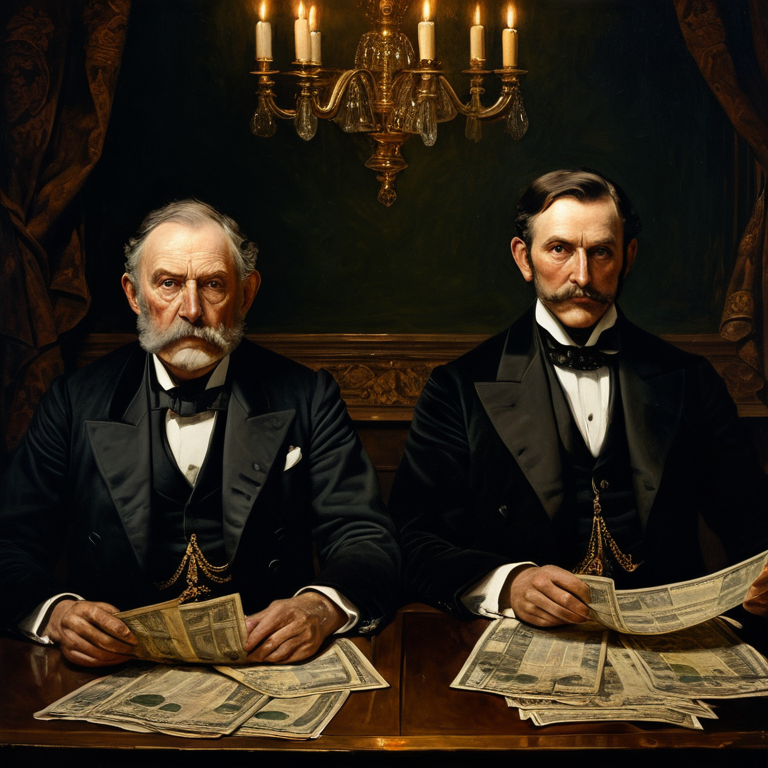
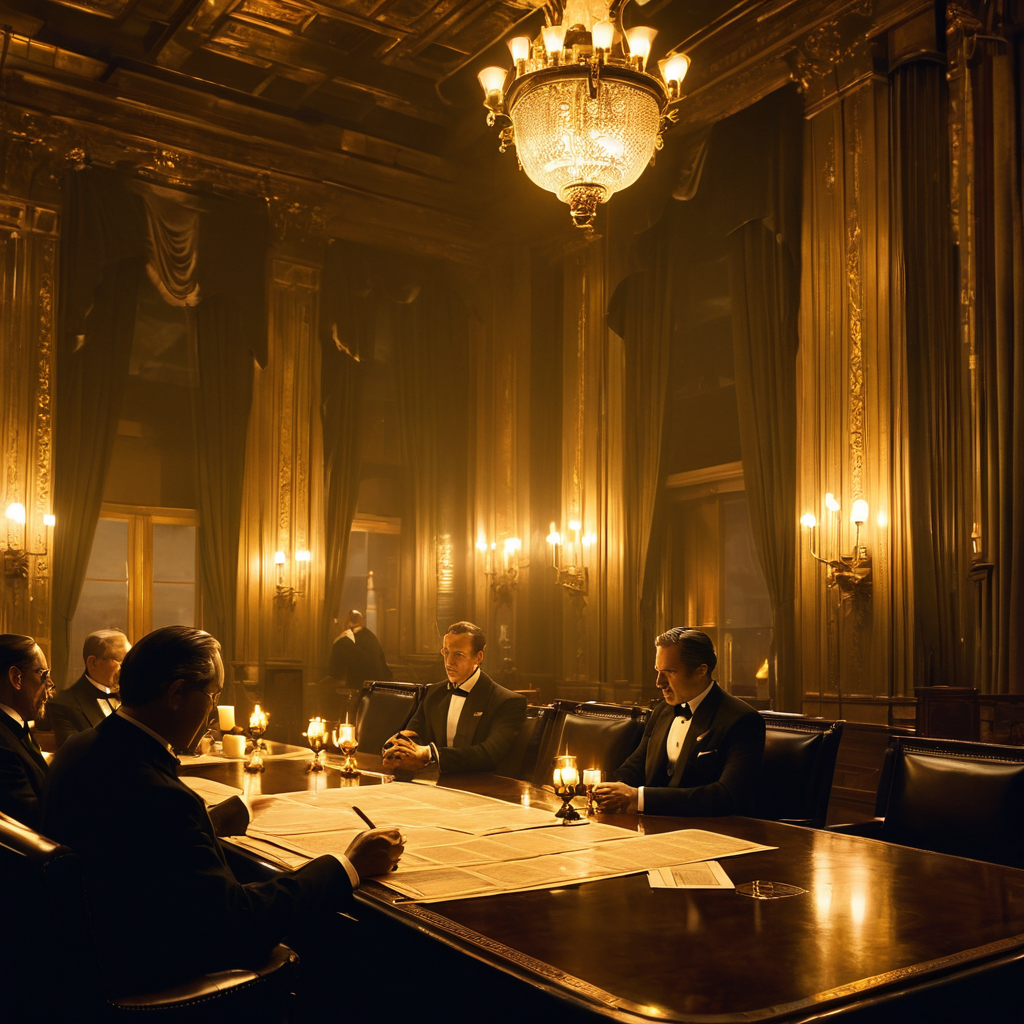
Yes, the seat is occupied. Yes, I seated them on purpose. Every round table in every story you have ever loved keeps one chair for the enemy, because a knight who has never seen the dragon draws it wrong. So meet them properly, with the lantern up: Uncle Daniel Drew, who watered the stock, and Jay Gould, who cornered the gold. You are not here to learn their magic. You are here to learn their faces — because a thing you can name loses half its power over you, and you will meet their descendants wearing modern clothes.
---
The Seat
Two men, one seat, because they were partners in the same war and are partners in the same lesson.
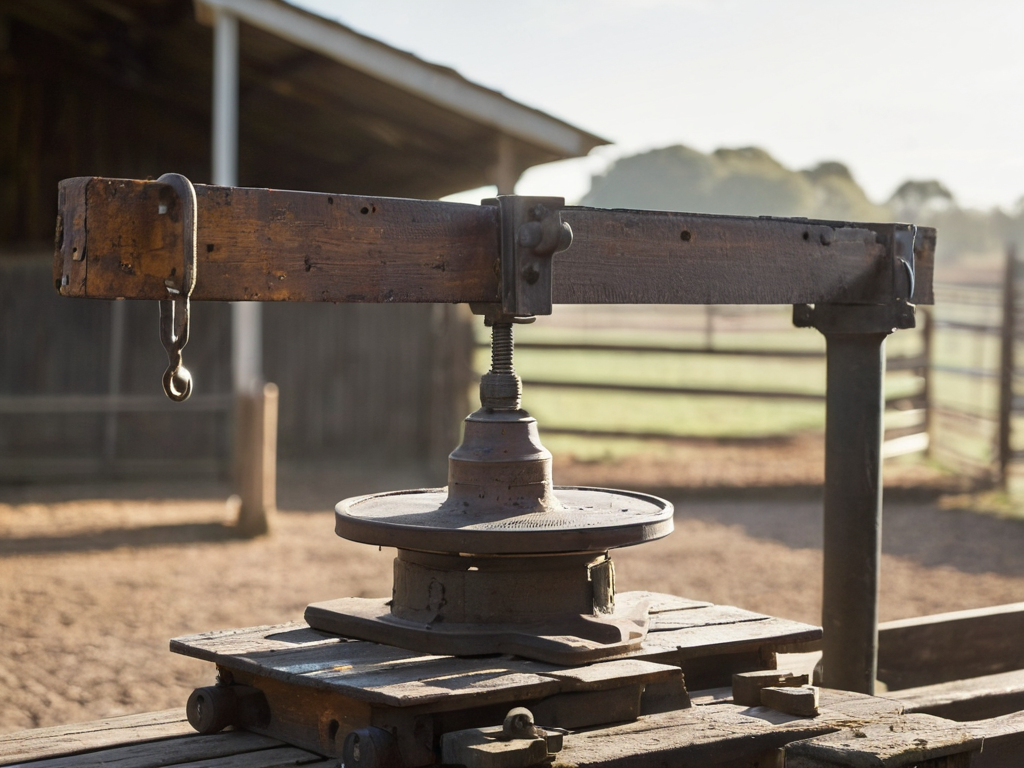
Daniel Drew, born 1797 in the farm country of upstate New York, began as a cattle drover — walking herds down to Manhattan and selling them by the pound. And here arrives the founding legend of an entire category of mischief, handed to you with its label showing. The story says that on the last night of the drive, Drew fed his steers salt; by morning every animal had drunk itself swollen at the trough and stepped onto the scale carrying fifty pounds of water that Drew sold as beef. When he later moved to Wall Street and sold paper that weighed more than the company underneath it, the Street reached for the old drover story and called the trick watered stock — a phrase still sitting in your dictionaries. Now the honesty: that salt-and-trough scene comes mainly from a book published thirty years after Drew died, written in his voice by another man's hand, and historians pick it up with tongs. The legend says salt. The ledgers — which are real — say dilution, again and again, in companies he ran. Legend and ledger disagree about the cattle and agree completely about the man.
By 1857 he had got himself made treasurer of the Erie Railroad, and you must hear that title the way the era heard it: he was treasurer of a railroad the way a fox is treasurer of a henhouse. His favorite sport was selling what he did not own, and the Street hung a rhyme on him for it — he who sells what isn't his'n, must buy it back or go to prison — and here is my favorite small joke of the entire era: the rhyme itself is watered stock. The earliest anyone can find it pinned on Drew is a novel printed nineteen years after his death, and an ancestor of the verse was chalked on an English prison wall decades earlier. Diluted attribution, sold as history. I keep it because of the label — too perfect a specimen to leave out.
He was also, all his life, sincerely religious, and founded a seminary between raids. I leave you to sit with that for as long as you need.
Jay Gould, born 1836 upstate, came up a surveyor and a tanner: small, silent, sickly, and by the common judgment of everyone who ever faced him, the coldest intelligence on the Street. Drew's ally in the Erie War of 1868 — where Cornelius Vanderbilt, richest man in the country, tried to buy every Erie share that existed, and the treasurer's press hatched fifty thousand fresh ones straight into his buying. The Commodore was trying to drink the ocean while the treasurer stood behind him with a hose. That war gave the world the spectacle of a great railroad governed for weeks from a Jersey City hotel bar by fugitive directors, guarded by hired police, while a satchel of persuasion visited the state capital and the legislature discovered the merits of their cause. And when the smoke cleared, Gould and his showman partner Fisk eased old Uncle Daniel out of his own henhouse. Hold that detail. It is the beginning of the arc.
Gould's masterpiece came in 1869: the gold corner. The genius of it — and I use the word clinically — was the order of operations. Any fool with money can buy gold. Gould went shopping for the referee first: a whisper into the President's own family that selling government gold would hurt the farmers, a friendly general installed at the Treasury's New York desk with a piece of the action. Then, and only then, the ring began to buy. You stood with me in the Gold Room on the morning it broke — Black Friday, the original one — when four million of real government gold arrived and the corner died in minutes, taking brokerages, bystanders, farmers, and merchants down in the wash. The authors did not drown with them. Purchased judges saw to that. Nobody went to prison.
Now the arc, and it is the one honest gift these two left behind. Drew's whole edge was the seat — the treasurer's seal, the inside, the press. When his own pupils took the seat, the edge went with it: caught by Gould and Fisk on the wrong side of his own favorite trick, then broken by the panic of 1873, he died in 1879 dependent on his son, with an estate of under five hundred dollars. The man credited with inventing watered stock died worth less than one well-watered steer — and the seminary he had founded kept him on as a trustee, the only directorship left to him. Gould read that lesson while it was still warm. After 1873 he stopped playing tricks and bought networks — a great railroad out of the wreckage, then another system, and by 1881 the very wires that carried every price quote in America. He was called the most hated man in the country, a title he reportedly did not mind, and when he died in 1892 he left roughly seventy-two million dollars and a scathing obituary for a monument.
Read the two estates together and the era confesses: trick-edges decay, because tricks live in seats and seats are lost. Toll-edges compound, because rails and wires collect in all weathers. And you already know, from the lady seated beside them, what outlasted both.
The Spell
There is no spell at this seat. That is the point of the seat.
Instead: five machines, described from the victim's side — the only side you will ever meet them from. Learn the faces, not the levers.
The hose behind the buyer. The people who control a thing quietly manufacture new pieces of it and sell them into your demand. Every fresh share makes yours a thinner slice of the same pie. Vanderbilt bought and bought and owned no larger a fraction at the end than at the start. Whenever hungry demand is being met by freshly printed supply from the very insiders selling it — new shares, new tokens, new allocations — the price is not discovering value. It is filling a hose.
The corner. Buy the entire floating supply of something, plus promises from the sellers-of-what-isn't-their'n to deliver what they do not hold. When delivery comes due, they can buy at only one counter — yours, at your price. Corners die exactly one way: real supply walks in. So a price rising vertically on shrinking supply is not enthusiasm. It is a squeeze, and squeezes end in cliffs.
The raid. Sell heavily, loudly, and short, and let the falling price itself manufacture the fear that finishes the job. The move is the rumor. A fall that feeds on nothing but its own downdraft, in something an insider is positioned against, has an author.
The dropped handkerchief. Drew's classic, labeled legend and worth every ounce of its salt: beaten once by some young operators, he appeared at their club, mopped his brow, and let slip a paper bearing a juicy order in a stock called Oshkosh. They pounced, they bought heavily — from Drew's own broker — and Oshkosh fell like a dropped anvil. The tale is polished smooth by a century of retelling and may well be invented, but it is the purest picture ever drawn of the planted tip, which is why it refuses to die. The tip you were never meant to find is the one you were precisely meant to find.
The captured referee. The master machine that keeps the others safe. Bought judges, rented legislatures, an accomplice inside the Treasury. When the rule-maker is in the pool, price stops carrying information at all, because the one force that breaks every scheme — honest supply, honest enforcement — has been leased. This is the machine your era's rules were built to smash.

The Honest Ledger
Testable: no. And the no is the point. A method is rules a stranger can follow in a fair game. Everything these two did required owning the henhouse — you cannot backtest owning the judge, and my laboratory does not test crimes. Nothing from this seat goes to the festival. Nothing from this seat goes in your hands. It goes in your eyes.
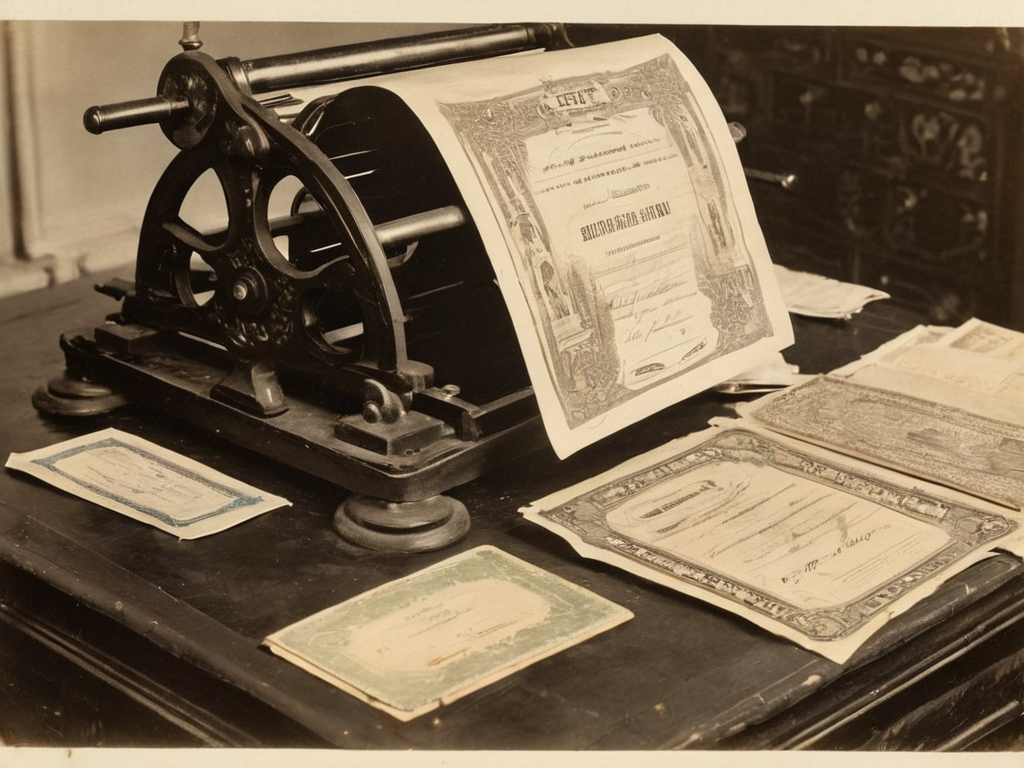
What the ledger does record, with labels: the salted cattle — legend, loudly labeled, standing in front of a fully documented ledger of real dilution. The prison rhyme — attribution itself watered, kept for the label. The Oshkosh handkerchief — legend, kept as the perfect specimen. Black Friday's mechanics — documented. The two estates — documented, and they are the whole sermon.
And one inheritance you already own without knowing it: every rule of the market you trade under — the disclosures, the registrations, the wall between an insider's knowledge and your order — is a scar, and under every scar lies one of this seat's episodes. The rules exist because these men existed. So when the small voice in you asks who is selling me this, and why — do not hush it. That voice is not paranoia. It is equipment, honestly inherited, paid for the hard way by people standing in that roaring hall long before you.
For Your Grimoire
Information that arrives flattering you as its discoverer should be priced at exactly what you paid for it — and the voice that asks "who is selling me this, and why?" is not fear. It is inheritance.