Ed Seykota, 1970 · The Man Who Checked
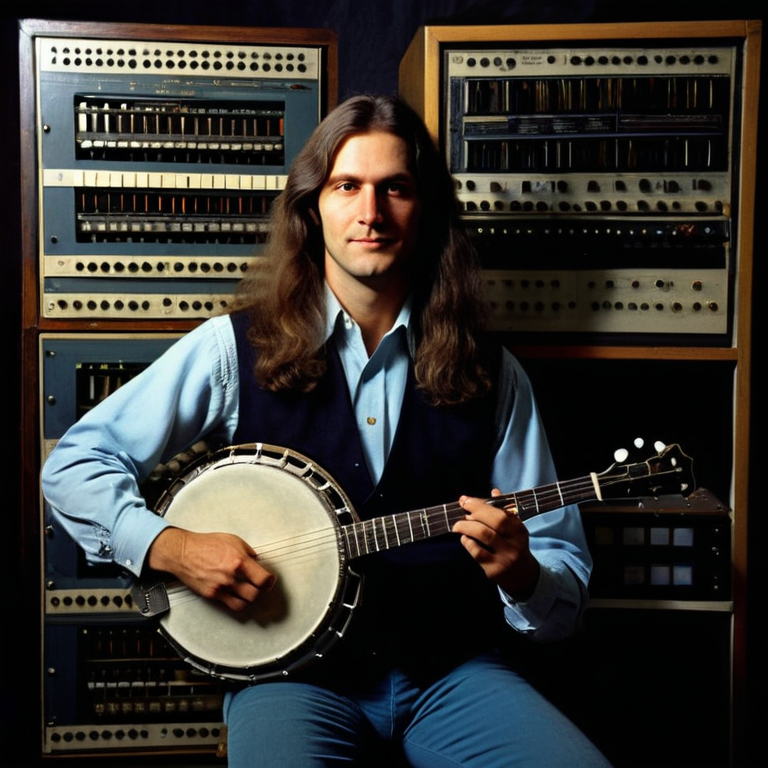
Every master before him believed or doubted. He is the first who paid for machine time and CHECKED — and the checking, not any signal, is his spell.
---
The Seat
The twenty-third chair is usually empty, which is fitting, because the man who holds it spent a whole career being somewhere quieter than everyone expected. Let me introduce the hardest master on this journey to actually find.
Ed Seykota. Born in 1946, schooled for a while near The Hague, then to MIT, where in 1969 he walked out with two degrees at once — electrical engineering and management. Look at that pairing a moment, because in 1969 nobody assembled it on purpose: one degree for the machines, one for the money, and no profession yet in existence that wanted both. A young man built, in other words, exactly halfway between a machine and a market — and the craft was about a year away from discovering how badly it needed such a creature.
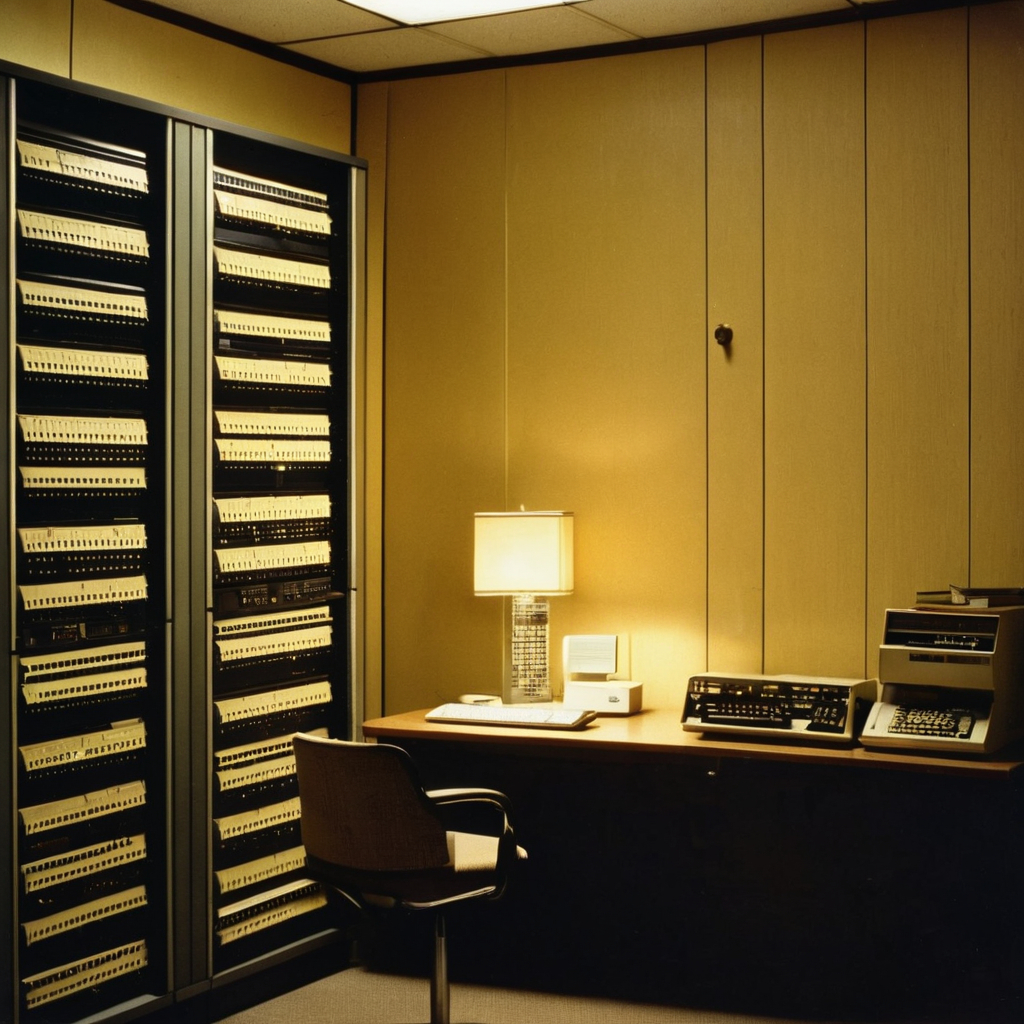
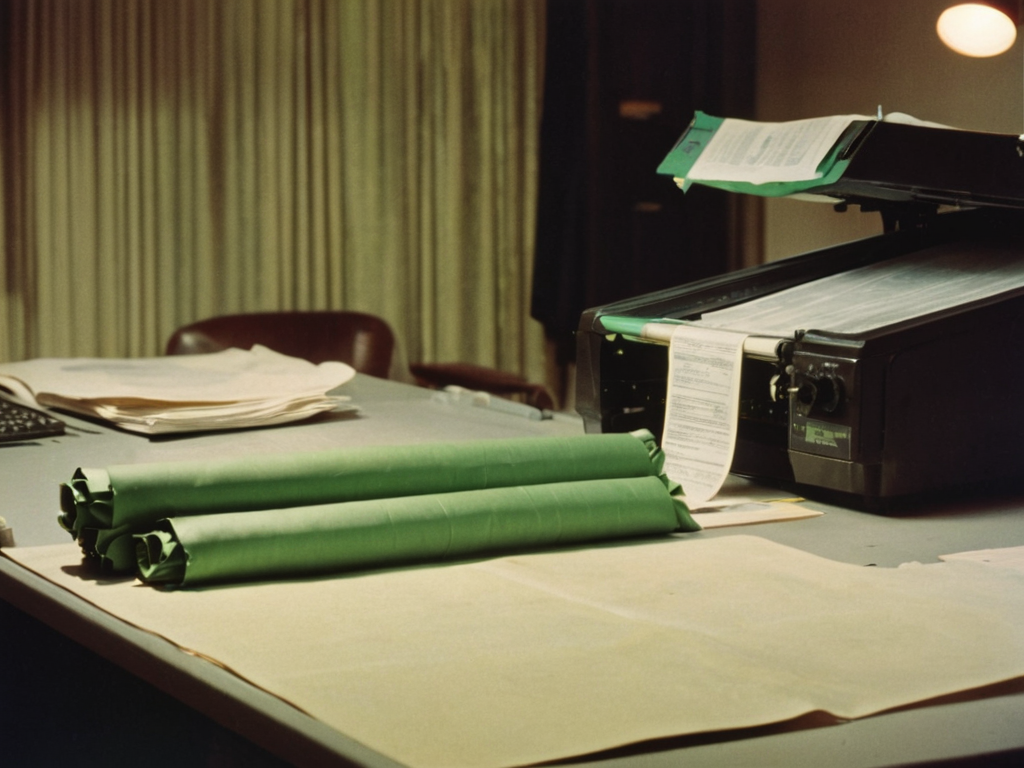
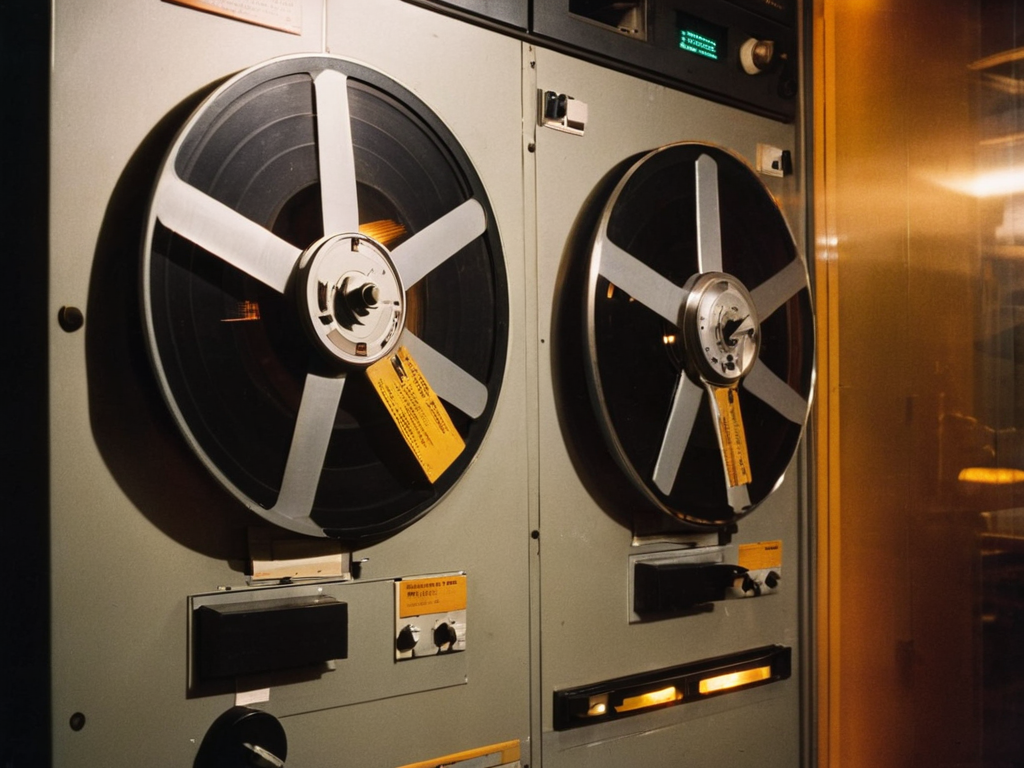
Now set the stage he walked onto, because the era is half the story. The markets of that America were commodity markets — wheat and sugar and copper and bellies of pork, the price of the nation's breakfast negotiated at full volume by shouting men in Chicago and New York. That was the noise. The new thing stood quietly beside the noise: rooms of metal cabinets that did arithmetic without opinion, rented by brokerage houses to keep their books, idle from Friday night to Monday morning. Nobody had built them for magic. Nobody thought they had anything to do with trading at all. They were furniture that could count. Remember the masters you have already met who would have given years of their lives for such furniture — the ones who kept their tests in their heads and their records on faith. In 1970 nobody saw the treasure standing in the basement. It took a man built halfway between machine and market even to notice it was there.
Around 1970 he read the work of the man one seat to his right: Donchian's five-and-twenty-day crossover papers. And here is the moment that seats him at this table, so lean in.
Every other reader of those papers did one of two things. Some believed, and traded — belief is free, and it lets you start today. Some scoffed, and didn't — scorn is also free, and it lets you feel wise without lifting anything. Notice that both camps got to stop thinking at the same instant. Seykota did the third thing — the thing almost nobody on Earth was doing in 1970, the thing this whole chair exists for: he asked is it true?, and went to find a machine big enough to answer. Mark how strange the question was in his mouth. Donchian was published, respected, the master one seat over at the height of his standing — and the young man was not doubting him, because doubt is cheap too. He was paying the master the one honor the craft had never learned to pay: taking a claim seriously enough to weigh it.
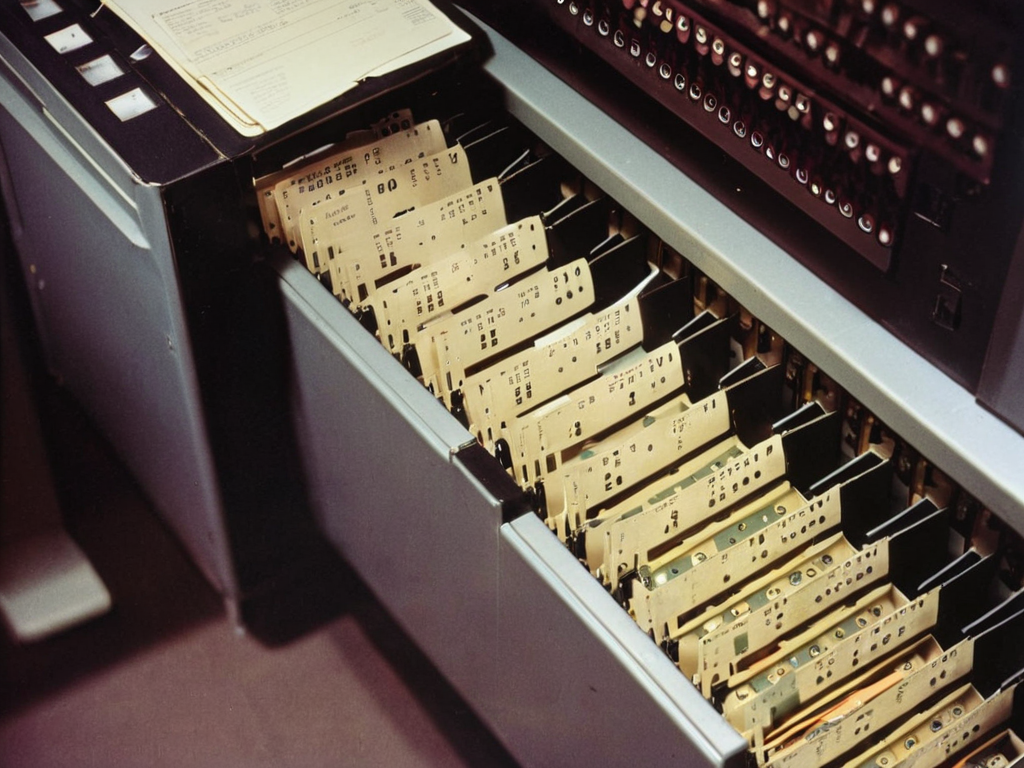
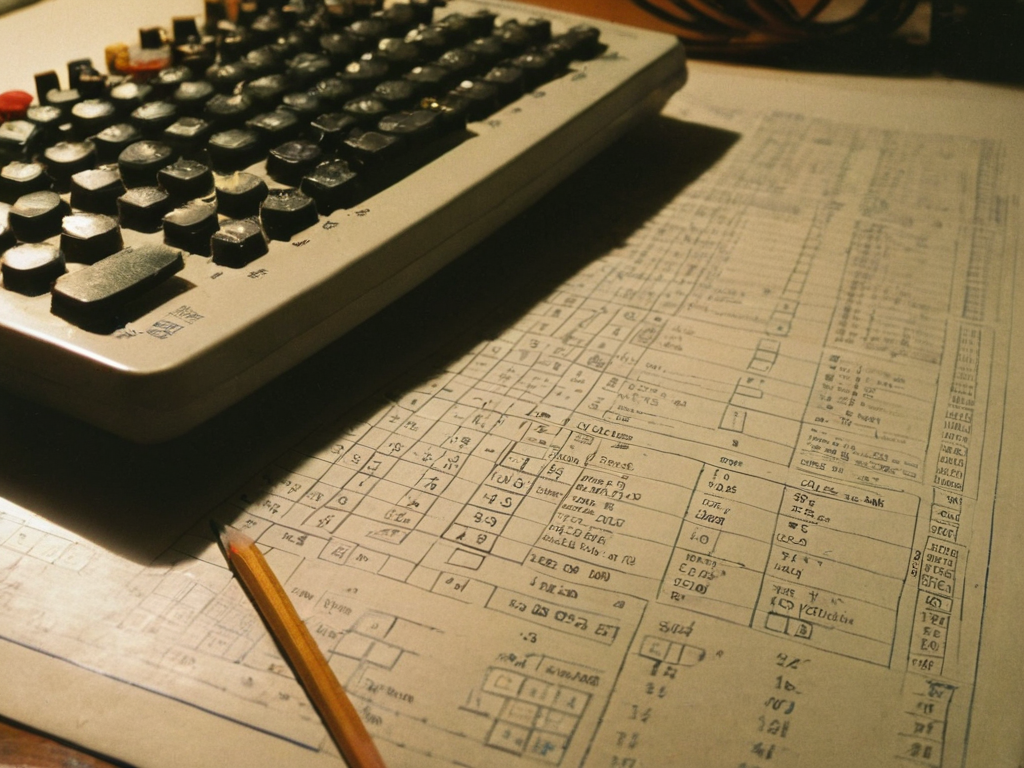
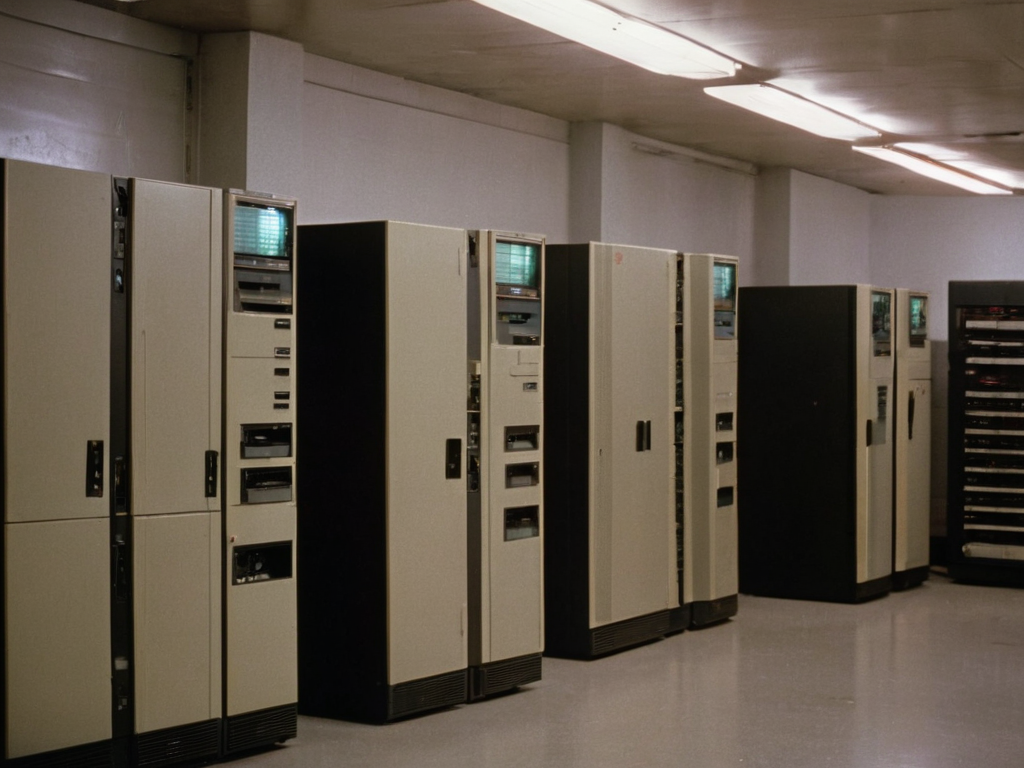
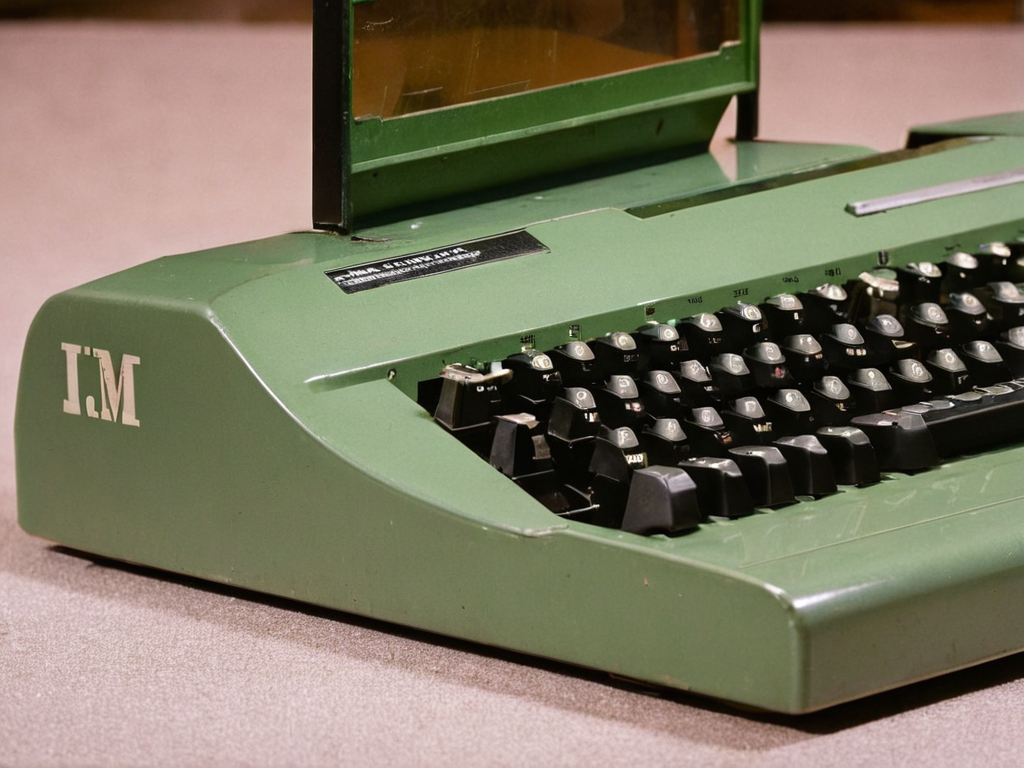
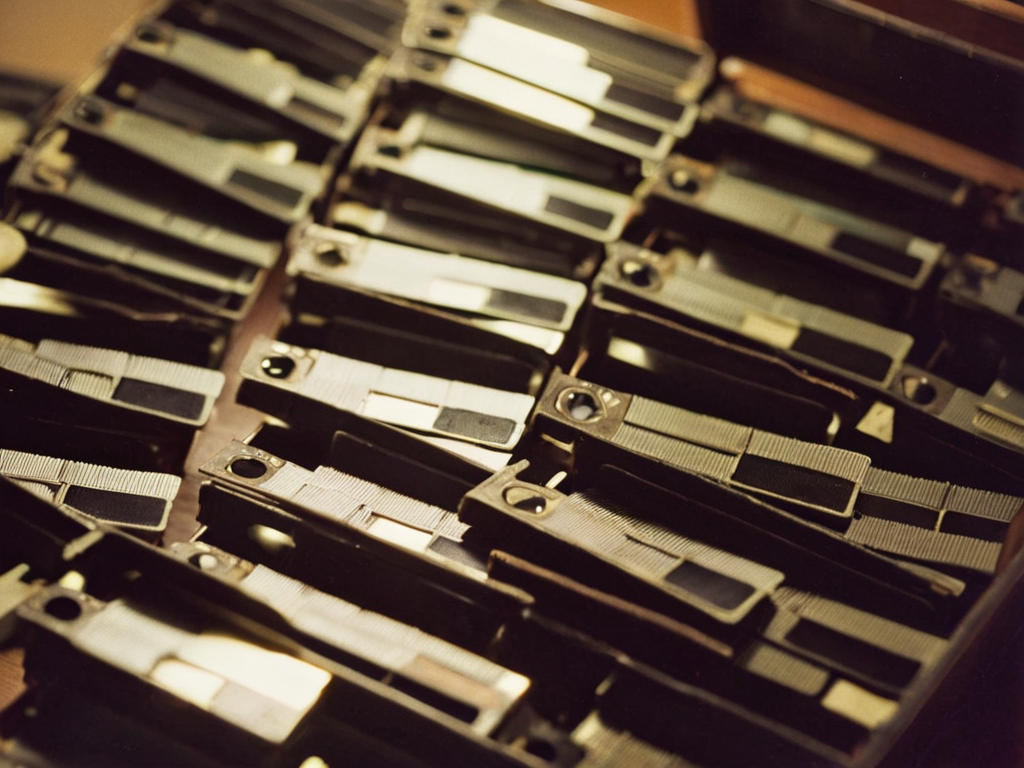
The finding took the shape of a devotion. Evenings, after work, he punched market prices from the newspaper's tables onto stiff cards, hole by hole, each card carrying one day of one market — a monk's labor, performed by hand, thousands of days of prices converted one hole at a time into a language a machine could read. Weekends, he borrowed his brokerage firm's great accounting computer — an IBM 360, rented to balance books, idle from Friday night in a machine room nobody visited — and fed it the cards. Picture the scene, because it deserves picturing: a brokerage house on a Saturday, empty as a church on Monday, every desk abandoned, and somewhere below, one metal cabinet humming louder than the lights while a young man feeds it rectangles of stiff paper and waits to learn whether a master had told the truth.
By his own telling it took half a year of weekends: four families of system, each tried at some fifty different settings of its dials, across eight commodity markets and a decade of prices. Half a year of Saturdays a young man could have spent anywhere else, spent instead asking one question of a rented machine. It is half a year of weekends to do what my scrying pool now does before lunch — and when I first lit the pool, I believed I was doing something new. I have made that confession elsewhere in this book. I make it again here, at the seat of the man who owns it.
And understand what was genuinely new in that machine room, because it was never the cabinet. A machine casts exactly what is written — no mood, no mercy, no Friday-afternoon improvisation — and so, for the first time in the history of the craft, a rule could be separated from the hand that held it and asked, alone, under oath: are you real? Human casters mumble. A trader with a vague rule and a good year can never tell you which of the two did the work. The cards could not mumble. So far as I can tell after twenty-six centuries of visits, Seykota was very nearly the first person alive to administer that oath to another master's spell — and the oath came back with two answers worth more than any spell.
I want you to notice that you have already met both of them in this book, wearing 2026 robes.
First: many settings worked. Not one magic pair of numbers, but a broad ridge of them. Turn the dials this way, turn them that — the rule kept working, roughly and honestly, all along the ridge. The power was in the shape of the rule, never in the precise figures, and the moment you see that, an entire industry of secret numbers quietly dies: a spell that only works at one exact setting is a coincidence wearing robes. The craft would need decades to give the finding its name — robustness beats tuning — and my own silver box confirmed it half a century later, having no idea it was confirming anything.
Second: the toll ate the quick versions alive. Every cast pays its small fee — the broker's charge, the sliver lost between asking and getting. On the slow, patient versions of the spells the fee was a rounding error. On the rapid, short-term versions it was the whole harvest: the faster the magic, the more of it the toll ate, until the caster was working entirely for the toll-keeper. He measured that trap on punch cards in 1970. My lab refound it, toll for toll, on fifteen-minute candles half a century later. Some laws do not care what century you test them in.
And notice the direction of both discoveries. Neither answer tells you what to cast. Both tell you what not to pay for — settings-worship in the one case, speed in the other. The machine's first gifts to the craft were subtractions, and I have come to trust subtractions above every other kind of finding, because nobody has ever managed to sell one.
Two of this laboratory's proudest findings turn out to be his, discovered before I was casting at all — found on borrowed weekends, by hand-punched cards, paid for in nothing but patience. And one more thing about the man before we go on, so that nothing below surprises you: the answers those cards gave him, he spent the decades afterward obeying — and the exact settings he ran, he never published. Both halves of that sentence are him. The checking, not any signal, is his spell.
The Spell
His method has two halves, and I must be honest with you about the first half before I teach you anything: the exact recipe was never published.
What is known: out of the punch-card weekends came what is generally credited as the first computerized system ever to trade real clients' money in the futures markets. His engines were built on exponential moving averages — a smoothed line that leans toward recent days — riding trends the Donchian way. He ran the program once a day, took its orders for tomorrow, and was done: no live prices, no screen, his whole market day shorter than most people's coffee. For decades he traded from a quiet house by a mountain lake, and by every account never watched a tick. But the settings, the dials, the exact numbers? He kept them. So hear this plainly, because the lantern law demands it: every "Seykota system" you will ever find written out with numbers attached is somebody's invention wearing his hat. This book will not sell you one.
And yet his public method exists, complete, and he published it in the strangest form any master ever chose. In the winter of early 2008, the most private great trader of his generation — unseen for decades, a legend with no photograph — finally appeared before the public. On the young internet. Cheerfully singing his trading rules to a banjo, with friends. The verses of that song, each handed to a different instrument, ARE his published spellbook, and paraphrased plainly they run: ride your winners. Cut your losses. Manage your risk. Use stops — set in advance, so that when shocking news arrives you do nothing, because the stop is already working. Stick to the system through the choppy stretches that stop you out over and over; those small stings are the tuition, and one good trend pays for all of them. And file the hot news in the file — never in the order book.
You know this family. It is Ricardo's fogbound commandment — cut short your losses, let your profits run — industrialized: Ricardo said it, Donchian mechanized it, Seykota proved it on a mainframe and then set it to bluegrass so nobody could ever forget it.
The Honest Ledger
Two entries, and this seat asked me to write the first one from his side of the desk, so I will.
The fee machine. Picture the young engineer, 1970, presenting the finished work. The machine's counsel, followed faithfully, would have won handsomely that first year — his managers could not resist improving it. A veto here, a feeling there, a trade skipped because it felt wrong: the improved accounts showed a small loss. He had built the firm a truth machine, and watched human hands sand the truth off it. Then came the request that ended his employment, and I want you to hear it as he heard it: could he please retune the system to trade more often? Not to win more. To trade more — because every trade paid the house its toll, and the tolls were the house's harvest. He was being asked to convert a truth machine into a fee machine. He declined, left, and ran his own book alone by his own rules for decades. I label this story as the record labels it: his own telling, retold for fifty years, audited by no one — and I note, as he would, that it needs no audit to teach its lesson, because the lesson is not about the money. It is that a system's worst weather is sometimes the hands holding it.
The legend's number. Around his quiet decades grew the most spectacular figure in the craft's folklore: a client account, one famous book reports, grew by hundreds of thousands of percent across sixteen years. I hand it to you exactly as the record holds it: reported, once, in an interview — never audited, retold ever since. And here is why this seat deserves its place even so: Ed Seykota is the one master at this table whose own method tells you what to do with that number. He heard Donchian's beautiful claim and bought machine time to check it. Extend him precisely the courtesy he extended his teacher. Believe the method — it is Donchian's channel-school, weighed true in my own pool. Audit the miracle.
One verified kindness to close the ledger, because his door swung both ways: a young trader once deduced which town the legend lived in, found the name in a payphone directory, and cold-called him. Seykota asked to see the young man's last twelve months of trades — and took him on. The most private master in the craft could be reached by anyone honest enough to show his ledger first. Remember that. It is the whole entrance exam of this book.
For Your Grimoire
Before you believe any spell — a master's, a stranger's, your own — buy the machine time and check; and once it checks true, keep your improving hands off it.