The Wire
Reader, I must warn you before the introductions: the guest in this seat is the subject of the most repeated trading story ever told, and the story is false — and I can prove it, because the ledgers survived and the slander signed its own name. The truth underneath is better. It usually is.
---
The Seat
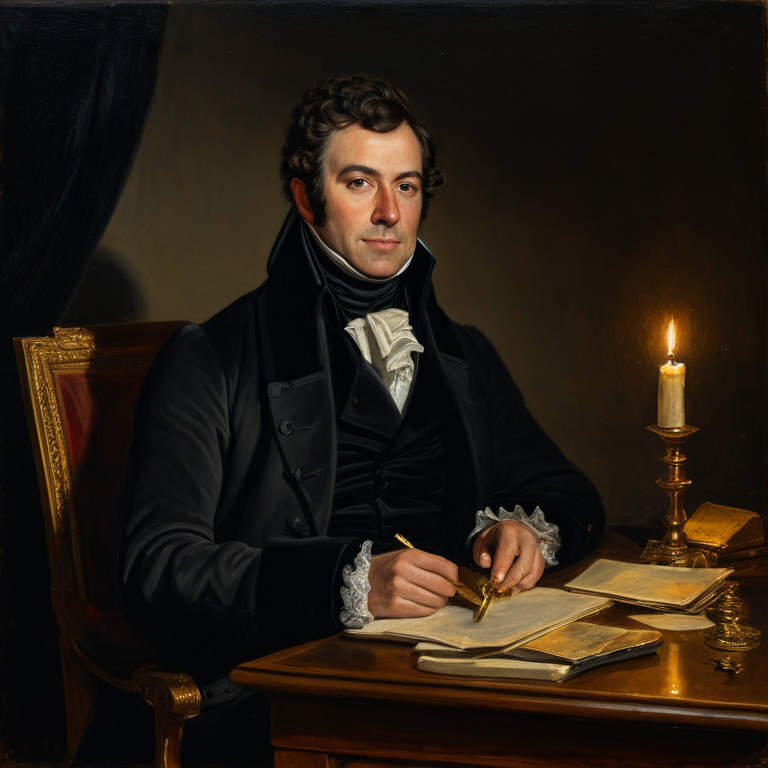
Meet Nathan Mayer Rothschild — though to meet him properly you must first meet a street. He was born in 1777 in the Judengasse of Frankfurt: the Jewish ghetto, a single crowded lane whose gates were locked at night, in a city that told his family precisely where they could live and what they were permitted to be. His father ran a coin-and-bills business there and had five sons. Hold on to that number. It matters more than any other number in this story — more than any price, more than any fortune, more than the famous figures the legend will try to sell you before the evening is out.
At twenty-one Nathan left for Manchester with family capital — commonly given as about twenty thousand pounds, though historians argue the figure — to buy English cloth at the source and ship it to the continent. Within a decade he had moved to London and shifted from cloth into gold and bills of exchange. And meanwhile his father did the thing that makes this seat: he distributed the brothers across the map like a man planting telegraph poles fifty years before the telegraph. Amschel in Frankfurt. Salomon in Vienna. Carl in Naples. James in Paris. Nathan in London.
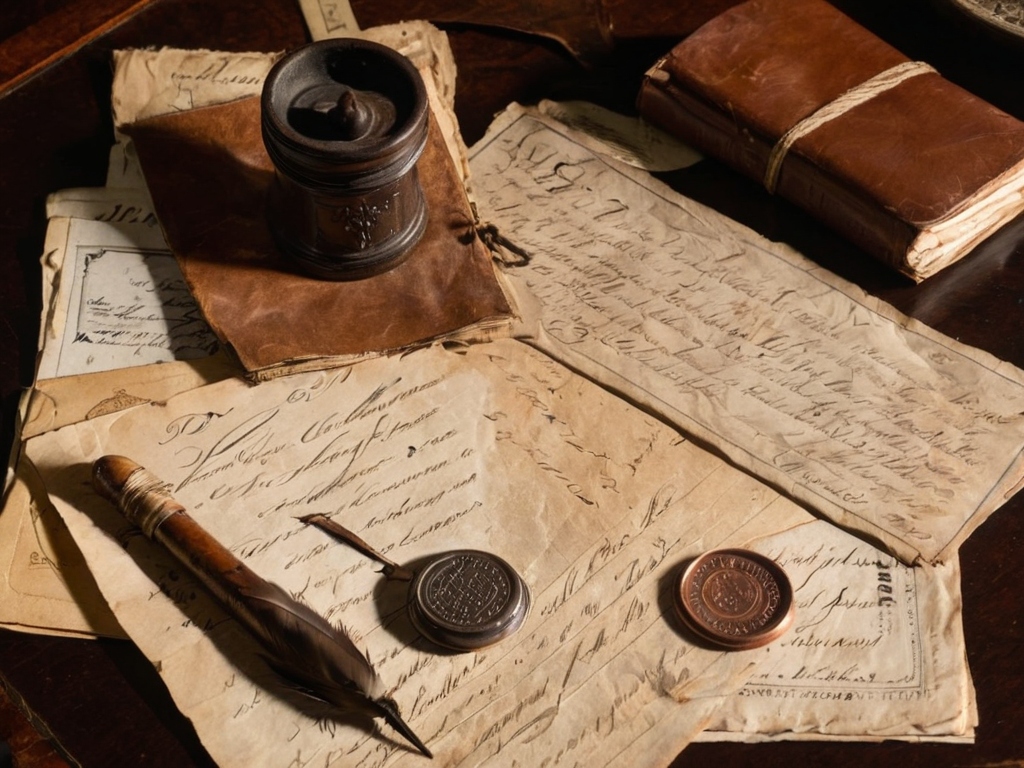
So understand who is actually sitting in this chair. It is not a man. It is a network — five houses, one family, and between them the fastest private news system in Europe. The brothers wrote to each other constantly: prices, politics, gossip, and complaints. Mostly complaints — the surviving letters bicker magnificently, five stubborn men governing an invisible empire by post and grievance. But whichever house heard a thing first, all five houses effectively knew it first, carried by couriers on retainer, in code and in a script a curious customs officer could not read, under a brother's seal — the one seal no forger in Europe could counterfeit. The network is the guest's true body. Nathan is merely its London face.
And what a face. Find him where all London could find him: at his fixed spot against a pillar of the Royal Exchange, hands in his pockets, face like a shuttered house. The floor around him trades the great market of that age — the funds, a nation's war debts made into paper, their price rising and falling by the hour on a single question: how goes the war? And that floor is wired to news as no market before it ever was: signal towers blinking word up from the coast when the air is clear, packet boats on the Channel, couriers killing horses on the Dover road. Every channel that can feed a market can also poison one — the year before Waterloo, men in invented uniforms rode through the towns spreading false word that Napoleon was dead, and the funds leapt on the lie, crashed on the truth, and sent the plotters to trial. That floor had already learned, the expensive way, that news is not light. News is weather. So the crowd did the only sensible thing left: it watched Nathan's face, reasoning that the man with the fastest wire in Europe must show tomorrow's news before it arrived. The face, being a shuttered house, showed them nothing. Remember that watching crowd. It is about to write a legend.
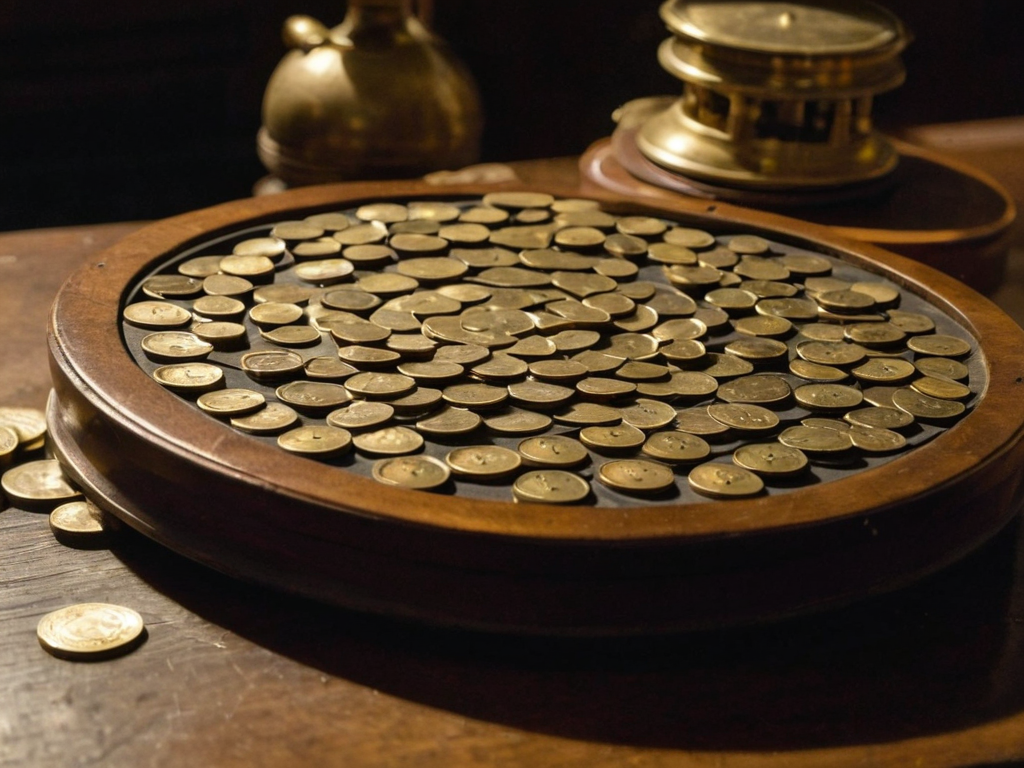
But first, the fact the legend never mentions, because it is where the real 1815 money starts. In 1814 the British government, at war with Napoleon, gave up on its own supply lines and hired the Rothschilds. Wellington's army needed gold coin; the state had tried to move it itself and failed, tried the established London firms and been let down, and finally handed the job to five brothers from a locked lane in Frankfurt — who quietly bought coin across Europe and delivered it to the war chest, invoiced soberly, like a grocery bill. Sit with that scene a moment: the world that locked the gates of the Judengasse at night, knocking on those gates because nobody else could do the job.
Then came June 1815, and the week the world held its breath — the battle that would decide everything, fought where no one in London could see it, its result crawling home at the speed of a tired horse. Out of that week grew the most repeated trading story ever told, and I warned you at the door: it is false, and the slander signed its own name.
You have heard the story even if you think you have not. Nathan at Waterloo in person; the storm-tossed boat home — or, in the later tellings, the carrier pigeon; the mask of grief worn onto the Exchange floor; the theatrical selling; the floor reading defeat in that famous face and panicking; the agents scooping the wreckage for pennies; a nation swindled by dinner on the day of its greatest victory.
Now the record, because the ledgers survived. He was not at the battle. No pigeon flew — the Rothschild Archive itself, which would dearly love to own such a bird, says so flatly; the firm flew messenger pigeons decades later, not in 1815. What is documented is smaller and stranger: early private word by courier — probably a letter out of Ghent, where an agent watched the victory news reach the exiled French king — some hours ahead of the official dispatch; Nathan one of several men in London holding early news; and his recorded act being to take it to the government. The entire contemporary evidence that he profited at all is a single postscript in an employee's letter, saying he had done well by the early information. And the historian who finally went through the books put a ceiling on the whole affair: the market those few days was so thin that even perfect foreknowledge could not have made him more than about £7,000 — real money, not a fortune — and there was no wreckage to buy, because the floor never panicked in the first place.
So where was the story born? In 1846, in Paris, in a pamphlet written to paint a Jewish family as vampires feeding on Waterloo's dead — published under the pen name "Satan." That is the byline, not my flourish. The most repeated story in financial folklore entered the world signed by Satan, was polished for a century by careless historians, and was filmed with enthusiasm by the Nazis in 1940. When a story's first byline is Satan, checking the source is not pedantry. It is the whole game — and this seat is part of the correction.
And the truth of 1815 is better, because it required nerve instead of a time machine. Victory ruined Nathan's position: he sat on a mountain of gold, bought to fund a long war, and the war ended in an afternoon. His way out was a bet — that summer the London papers noted his great purchases of British government bonds, a wager that peace, and a government with no more need to borrow, would lift their price — and then the hardest act in this book: he held. His brothers begged him, letter after bickering letter, to take the profit. He held through 1816. He held into 1817. He sold late that year with prices up roughly forty percent, and that — with the gold contract underneath it — is the actual fortune. Not first by a day. Right for two years. The legend finds that too boring to repeat, which is how you know it is true.
At my table he says almost nothing, and I expected nothing else; the seal, not the speech, was always the family signature. He sits the way he stood at his pillar — hands in pockets, shutters closed — while around him five cities' worth of correspondence goes on arriving in my hall like weather. That is the guest. Now watch his hands, because the network he carries in his pockets ran on a spell worth teaching properly, and the spell has a name.

The Spell
The spell is called the wire, and it has two moving parts — neither of which is a chart pattern.
Part one: own the messenger. Not "have good sources" — own the road the news travels. Private couriers on retainer. Relay horses. Chartered boats crossing the Channel in weather the mail packets refused. Letters written in code and in Judendeutsch that a curious customs officer could not read — and sealed by a brother, which was the one seal no forger in Europe could counterfeit. The edge was speed and trust: knowing sooner, and knowing the message was not a plant. Governments read their own mail slower than the brothers read each other's — and here is the funny part, fully documented: in 1814 the British government, at war with Napoleon, gave up on its own supply lines and hired the Rothschilds. Wellington's army needed gold coin; the state had tried to move it itself and failed, tried the established London firms and been let down, and finally handed the job to five brothers from a locked lane in Frankfurt, who quietly bought coin across Europe and delivered it to the war chest — invoiced soberly, like a grocery bill. That contract is where the real 1815 money starts.
Part two: trade the gap the wire reveals. The same bond, the same gold, the same bill traded in London, Paris, Frankfurt, Vienna, Naples — at prices that drifted apart, because news crossed Europe at horse speed. The courier tells you what Paris is doing before London knows it. Buy the cheap city, sell the dear one, let the prices agree, repeat forever. Low drama, near-mechanical, compounding for decades. That — not any battle — was the business.
Now the legend, because with Rothschild the legend arrives before the man, and this book tells the truth about legends every time.
The legend says: Nathan watched Waterloo in person, raced the news home by storm-tossed boat — or, in later tellings, by carrier pigeon — then walked onto the Exchange wearing a mask of grief and sold, so the floor, reading defeat in his face, panicked and sold everything; whereupon his agents bought the wreckage for pennies, and by dinner he had swindled a nation on the day of its greatest victory.
The ledgers say: almost none of that happened, and the part that did is smaller and stranger. He was not at the battle. There was no pigeon — the Rothschild Archive itself, which would dearly love to own such a pigeon, says so flatly; the firm did use messenger pigeons decades later, not in 1815. What the record shows is that Nathan received early private word by courier — probably a letter from Ghent, where an agent watched the victory news reach the exiled French king — some hours before the official dispatch reached London. He was one of several men in London with early news, and he took it to the government. The entire contemporary evidence that he profited is one postscript in an employee's letter: that he had done well by the early information. The historian who actually went through the books concluded the market those few days was so thin that even perfect foreknowledge could not have made him more than about £7,000 — real money, not a fortune — and there was no wreckage to buy, because the floor never panicked in the first place.
And the legend's birth certificate deserves to be read aloud. The story first appears in full costume in 1846, in a Paris pamphlet written to paint a Jewish family as vampires feeding on Waterloo's dead — published under the pen name "Satan." That is not my flourish; that is the byline. The most repeated story in financial folklore was introduced to the world by an author literally signing himself Satan, was polished for a century by careless historians, and was filmed with enthusiasm by the Nazis in 1940. When a story's first byline is Satan, checking the source is not pedantry. It is the whole game.
Here is what actually happened in 1815, and it is better, because it required nerve instead of a time machine. Victory ruined Nathan's position. He was sitting on a mountain of gold, bought to fund a long war — and the war ended in an afternoon. His way out was a bet: that summer the London papers noted his great purchases of British government bonds — a wager that peace, and a government that no longer needed to borrow, would send bond prices up. Then he did the hardest thing in this book: he held. His brothers begged him in letter after letter to take the profit. He held through 1816. He held into 1817. He sold late that year with prices up roughly forty percent, and that — plus the gold contract — is the actual fortune. Not first by a day. Right for two years. The legend finds that too boring to repeat, which is how you know it is true.
One last scene, because history loves a rhyme. Nathan died in 1836, in Frankfurt, of an infected abscess — the richest man in Britain, killed by a boil. And according to the Rothschild Archive, The Times reported that the first word of his death to reach England was found on a pigeon shot down over Kent, carrying a slip of paper that read "Il est mort." The one famous pigeon in the whole Rothschild story — the one the ledgers actually confirm — was not carrying Waterloo. It was carrying his obituary. The wire announced its builder's death faster than any official channel. The network outlived the man by exactly as long as it took to report him.



The Honest Ledger
Labels on:
- This is a lore seat. "Maintain a private courier network across five
- The Waterloo coup is false. Origin: the 1846 antisemitic pamphlet
- The real profits — the gold commission and the two-year bond hold —
- You cannot buy this edge. The latency game is not gone; it has been
- What transfers, honestly: the shape of news itself — our own lab
capitals" is a business, not a rule; there is no entry, no exit, no stop to backtest. Testable: no — and more than that, the edge cannot even exist in our data, because we stand, by definition, on the public side of every wire we can see.
signed "Satan." Not at the battle; no pigeon; one of several with early word; he took the news to the government. The ceiling on any early-news profit, from the historian who read the books: about £7,000 — against the legend's millions.
are documented in the contract records and the contemporary press notices of his bond purchases. The "roughly forty percent" is the price rise; the popular today's-money conversions are mush and stay out.
perfected — fiber, microwave towers, machines living inside the exchange. The wire still wins, and you do not own the wire. A trader paying for "real-time alerts" is not Nathan; he is Nathan's counterparty, standing at the slow end of a fast wire, receiving prices the owners have already acted on. If you are not the fastest, do not play the game whose only rule is speed.
measured that when real news lands, the move is not a single spike only the fastest courier can catch; it builds, a wave rising as the information spreads from first knowers to last, exactly as word of Waterloo soaked across Europe for days. You do not need to beat the courier. You need to recognize the wave while it still has a body, and never mistake its crest for its start. And the 1817 hold transfers: the nerve to keep a right position against two years of pressure is available to anyone with a stop and a spine. It is the least-quoted part of the story and the only part you can replicate on Monday.
For Your Grimoire
Before you trade a story, find its first byline — the most famous one in finance was signed "Satan" — and remember the fortune came from holding two years, not from hearing first by a day.