The Letter-Writers
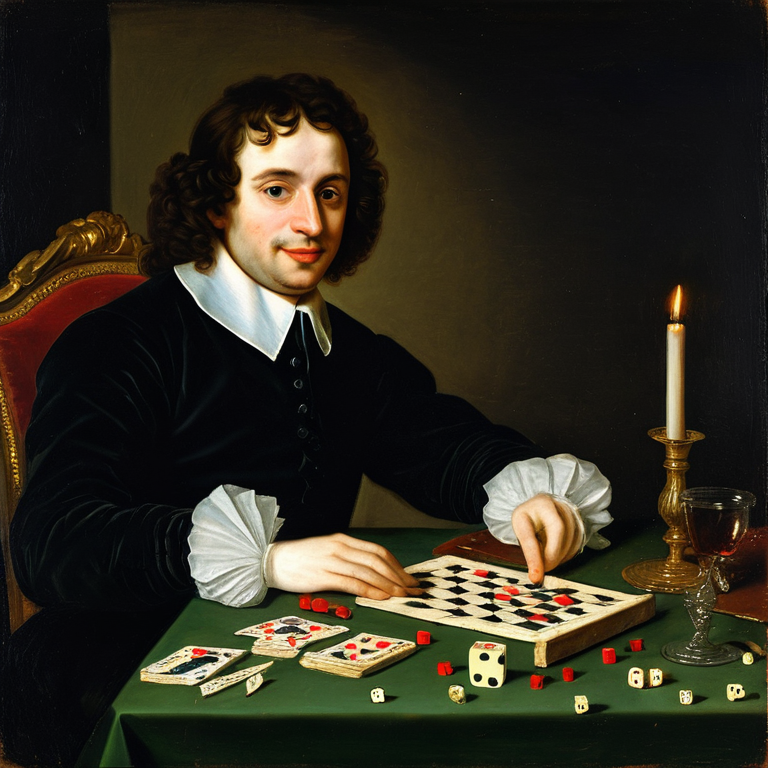
One seat, two chairs, and a candlestick between them holding down a stack of letters. The two men who taught the world what a bet is worth may never have been in the same room in their lives.
---
The Seat
Seat six is the only double seat at my table, and I had it built wide on purpose, because the spell it holds was cast by mail.
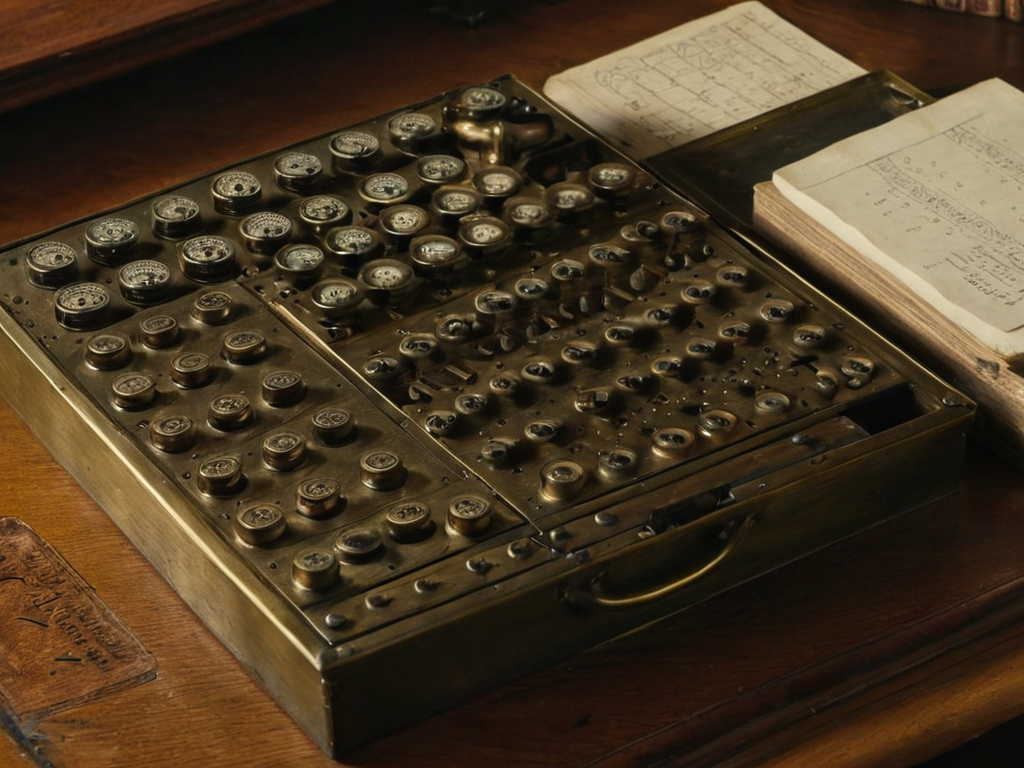
On the left, Blaise Pascal: pale, thirty-one, one of the great minds of his age, and already famous for a machine. As a teenager he built his tax-collector father a box of brass gears that could add — turn the dials and arithmetic happened by itself, three centuries before the little silver box that runs my scrying pool. Remember that when someone tells you our craft began with computers. It began with a boy watching his father count.
On the right, Pierre de Fermat: a judge from Toulouse who did mathematics in the evenings the way other men garden, and mostly in the margins of other people's books. His most famous margin note claims a marvelous proof that the margin was too narrow to contain — and the world then spent three and a half centuries finding one. Whether he truly had it is one of history's politest open questions. A man who bets the honor of mathematics on a margin note belongs at a gambling table, and here he sits.
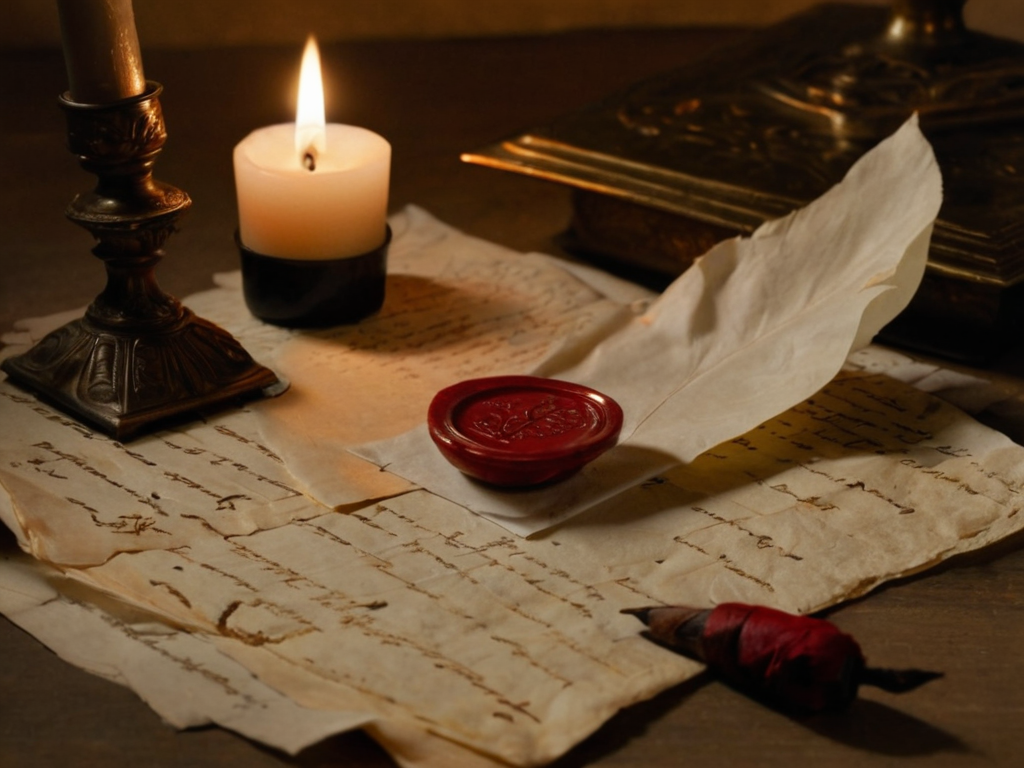
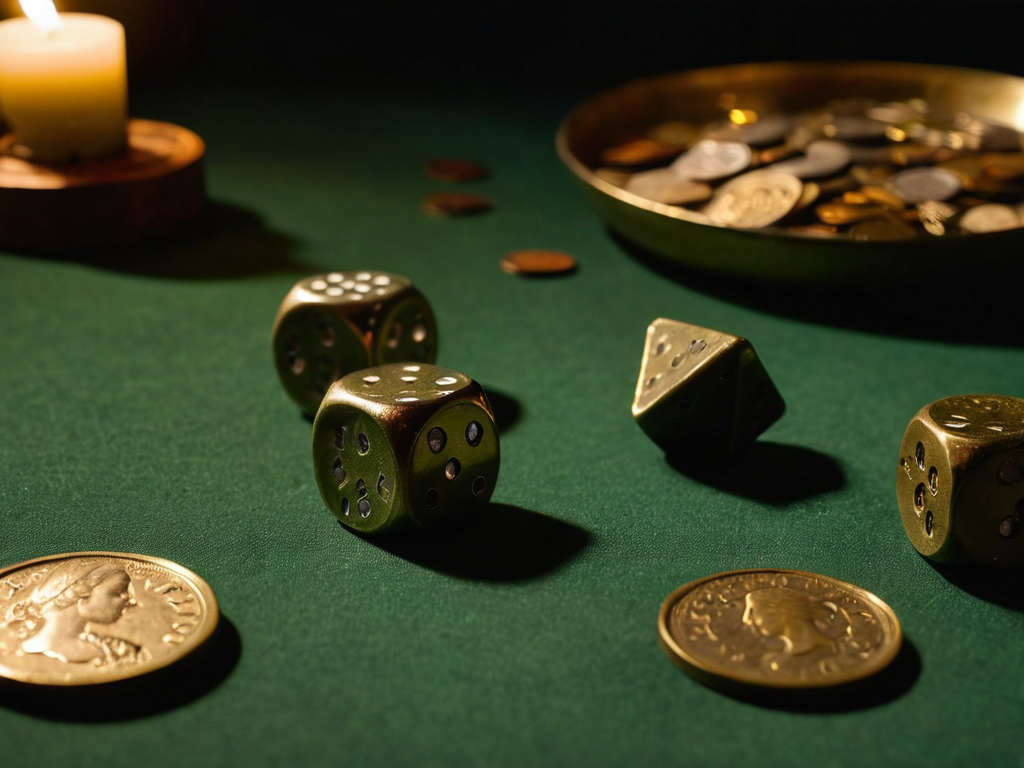
Between them, the letters. In the summer of 1654 a salon gambler called the Chevalier de Méré — self-knighted; the title was a character from his own writings that stuck — carried Pascal an old and famous quarrel. A dice game, stakes on the table, first to win a set number of rounds takes the pot — and the game is interrupted with one player ahead. Who gets the money? Split it evenly and you rob the leader. Give it all to the leader and you rob the man still holding real chances. A scholar named Pacioli had answered in 1494 — split by rounds already won — and he was wrong too, because he looked backward at the score when the pot's whole fate hung on rounds never played. The quarrel was two centuries old and still open, like a wound.
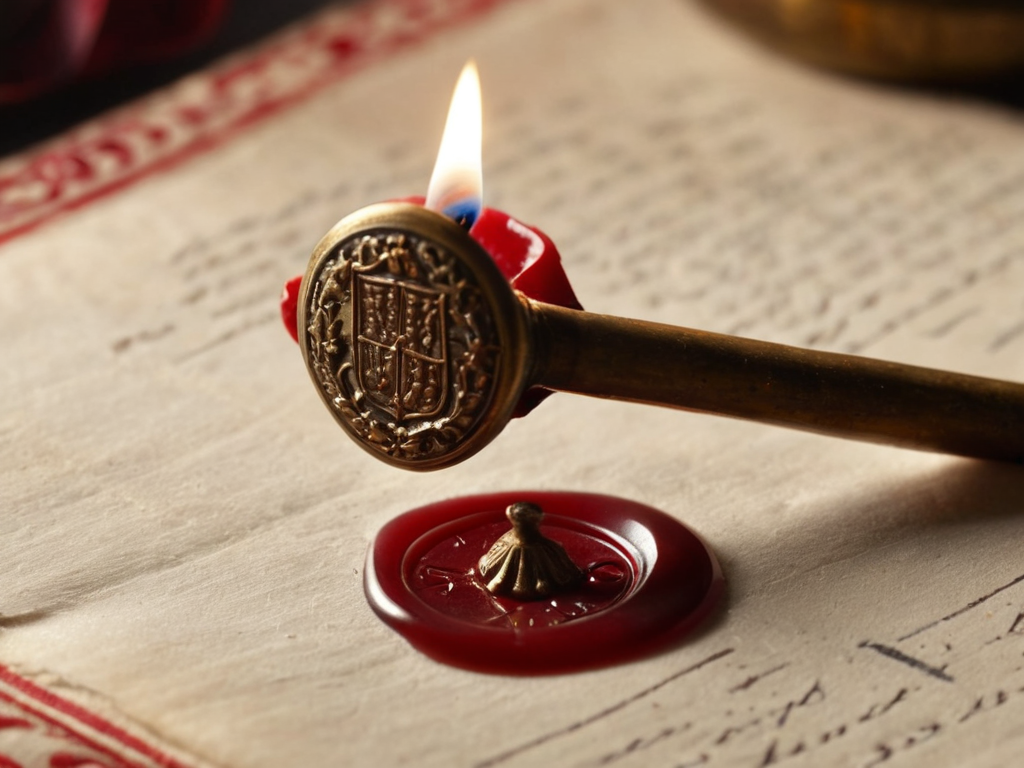
Pascal did something wonderful with it. He wrote a letter south. And all that summer the answer travelled back and forth between Paris and Toulouse, weeks on the road each way, while the two of them — the prodigy and the judge, who by every account never met face to face — invented, by post, the arithmetic under every market on earth. The very first letter of the exchange is lost. The birth certificate of every price you will ever see on a screen, and the postman's bag ate page one.
The Spell
Here is what the letters say, and it fits in a breath.
Stop looking at the past of the game. Look at its futures.
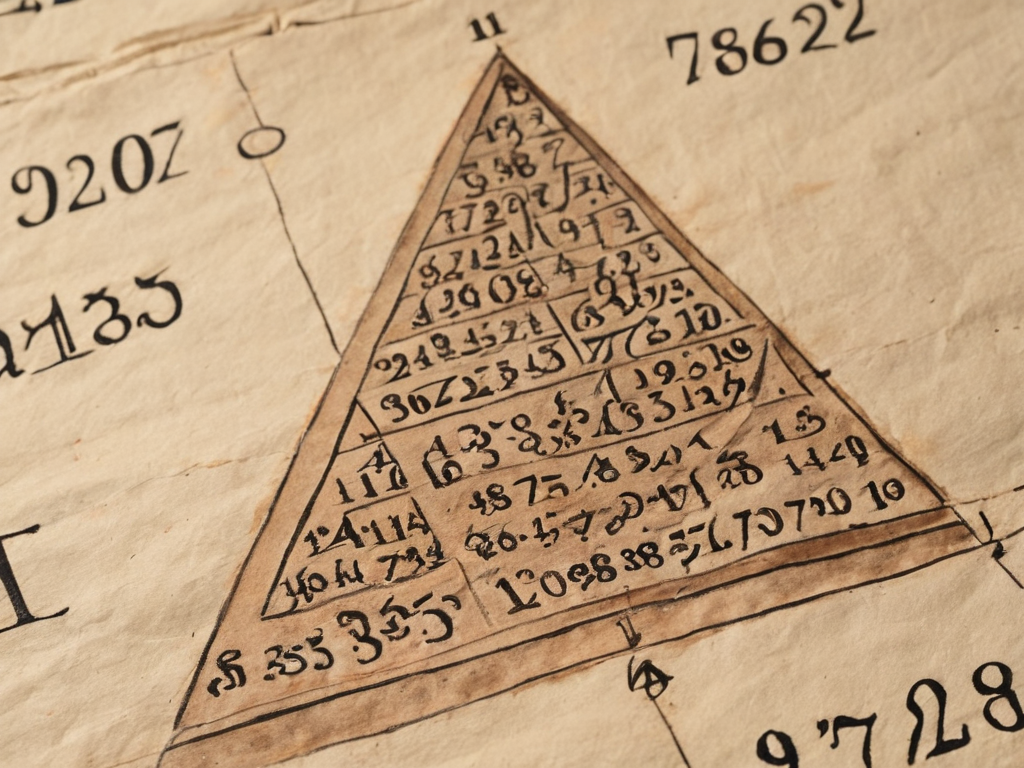
The interrupted game cannot be judged by its score, because the score is history and the pot belongs to the future. So: list every way the game could still finish — every branch the remaining rounds could take. Count the share of those branches each player wins. Split the pot in that proportion. In one of Pascal's own worked examples, two players have staked thirty-two coins each and the leader stands one win from taking all sixty-four: play out the futures on paper and the fair split is forty-eight against sixteen. Not because anyone feels it — because the futures, each weighed by its chance, add up to exactly that.
Weigh every future by its chance, then add. That is what a bet is worth — now, in money, before fate picks a branch. The age came to call the answer the expectation, and you have now been taught it the way it was born: as the fair way to split a gambler's pot.
Now look at what you are holding. Every backtest ever run is this spell cast at scale. My scrying pool is nothing but their summer of letters made fast — it deals the same hand thousands of times, weighs every future by how often it arrived, and adds. When someone tells you they distrust backtesting, tell them it is only the mail, sped up.
Cast it tonight, as a first spell, at a cost of one candle. Take a trade you are merely considering — the vow stands, you may not take it — and write its futures on paper: what it pays if it works, what it costs if it fails, and beside each your honest guess of its chance. Multiply each pair. Add them. Look at the sign of the answer. You have just split the pot with a judge from Toulouse.
One warning, and it is the deepest thing in this chapter: the spell does not flatter. It reports what a bet is worth, not what you wish it were worth. When my own lab cast it honestly across the entire spellbook — every tool, every trade, years of them, with the tolls removed so nothing could hide — the answer came back +0.004R. Four thousandths. Call it nothing, because it is nothing. That number broke my heart for an afternoon and then became the most valuable thing I own, because it is true, and because it forced the real question: not "which spell is worth something?" but "when?" The weighing turns positive only when you choose the spell to match the weather — and that receipt lives in chapter one, where the whole book begins.
And Pascal? That same November, months after the letters, he had a shattering religious vision in the night, wrote an account of it on a scrap of paper, sewed the scrap into the lining of his coat, and turned his life toward God — largely leaving mathematics behind. The paper was found in the lining only after he died. The man who taught the world to weigh every future kept just one for himself, sewn over his heart. The arithmetic survived because a young Dutchman named Huygens heard of the Paris problems, worked them out afresh, and printed the little book that taught Europe. Spells outlive their casters. That is rather the point of writing them down.
The Honest Ledger
Verified: the 1654 correspondence and its surviving letters; the lost first letter; de Méré's carried quarrel and his invented knighthood; Pacioli's wrong answer of 1494; the thirty-two-coin worked example with its forty-eight/sixteen split; the calculating machine built for Pascal's father; the night-of-fire scrap sewn into the coat, found after his death; Huygens printing the first treatise in 1657.
Reported: that Pascal and Fermat never met in person. It is the standard account and no meeting is documented — but absence of a letter about a meeting is not quite proof of absence, so it wears this label.
Legend-grade: Fermat's marginal proof. The note is real and in his hand; the proof it brags of has never been found, and most mathematicians doubt he had one. He would not be the first gambler at this table to talk up a hand.
Measured, in this lab: the whole-spellbook weighing — +0.004R across every tool at zero cost, holdout and never forward, the honest nothing that this entire book is built on top of. The companion receipt — what the weighing says when a wizard chooses spells by weather — is chapter one's number, and it belongs to that chapter, not this one.

For Your Grimoire
A bet is worth every future it has, each weighed by its chance — never only the one you are hoping for.