The Boy Plunger
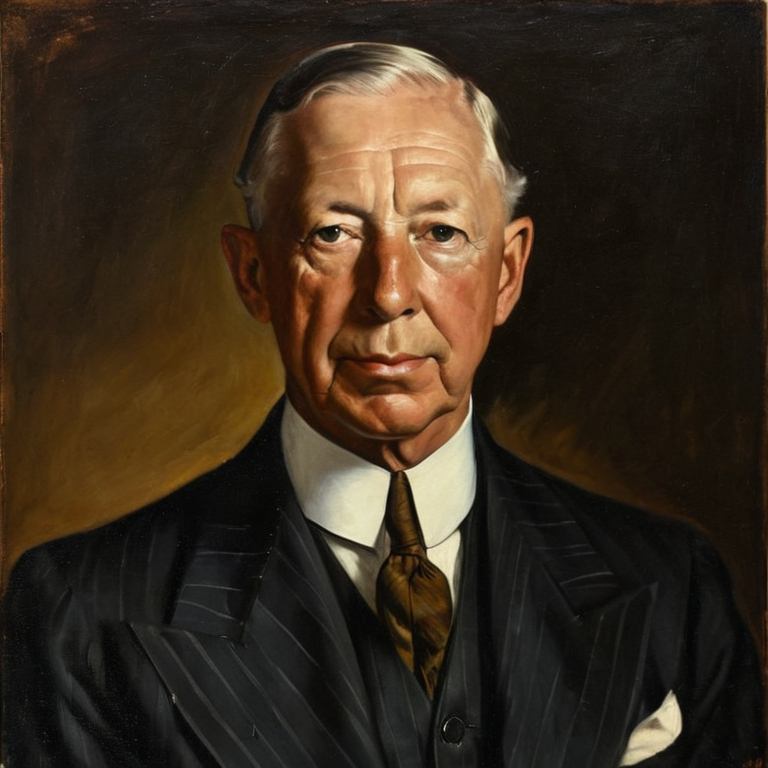
The man at seat seventeen came in from the cold with his collar up and said almost nothing, and the whole table leaned toward him anyway. He is the one the others quote. A farm boy from Massachusetts who ran off to the city at fourteen with five dollars, learned to hear the market breathe before he could grow a moustache, and made and unmade more fortunes than any man at this table — four times up into the tens of millions, four times down to nothing. He is our warning and our glory in one chair: nobody read the tape better, and nobody paid more dearly for the reading.
---
The Seat
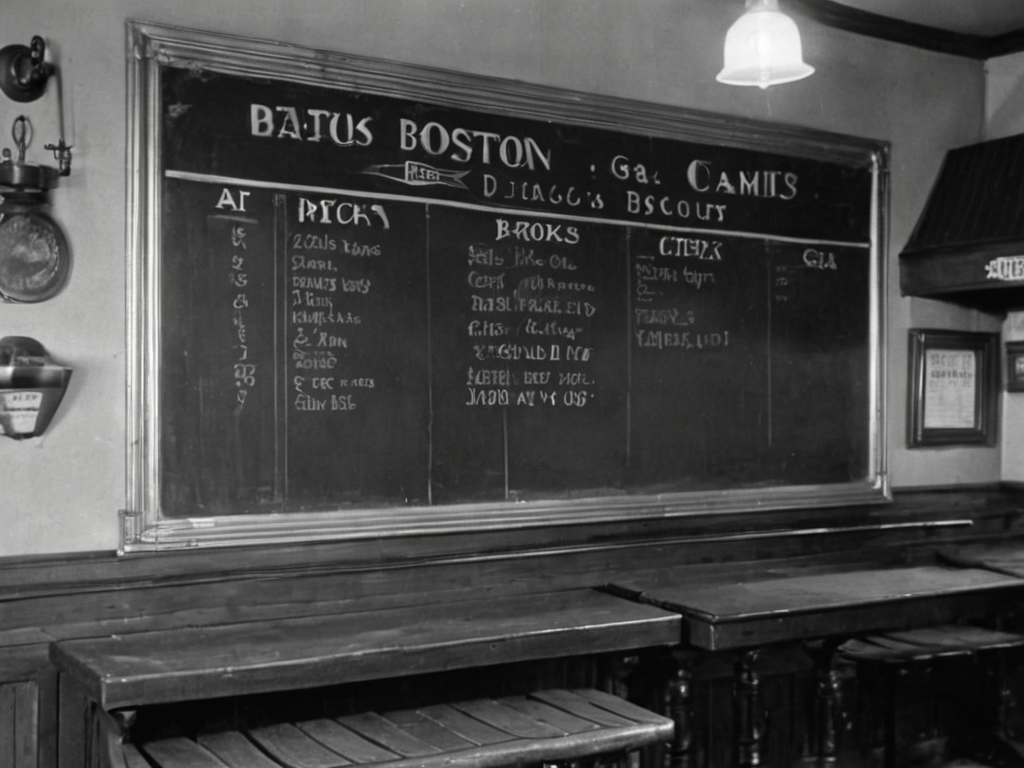
Jesse Lauriston Livermore. Born on a Massachusetts farm in 1877, he fled the plough at fourteen with a few dollars in his pocket and took the only job the city offered a fast boy: chalking quotations on the big board at Paine Webber in Boston, copying prices off the ticker as fast as the machine could spit them. Most boys chalked and forgot. He chalked and remembered — and the remembering became a haunting. The numbers, he found, had a habit; a stock leaned one way before it moved, and if you watched enough of them long enough you began to feel the lean before the move arrived. He kept a little notebook of prices and their futures, and the notebook was right often enough to frighten him.
So he took it to the bucket shops — the gambling parlours where a boy could bet a few dollars on the ticker without owning a share of anything. He was so consistently, quietly right that they barred him, shop by shop, from every bucket shop in Boston. He wore disguises. They barred the disguises. By twenty he had been thrown out of an entire industry for the crime of winning, and the street had, without meaning to, awarded him its highest diploma. They called him the Boy Plunger, and later, when he was the most feared short-seller alive, the Great Bear of Wall Street.
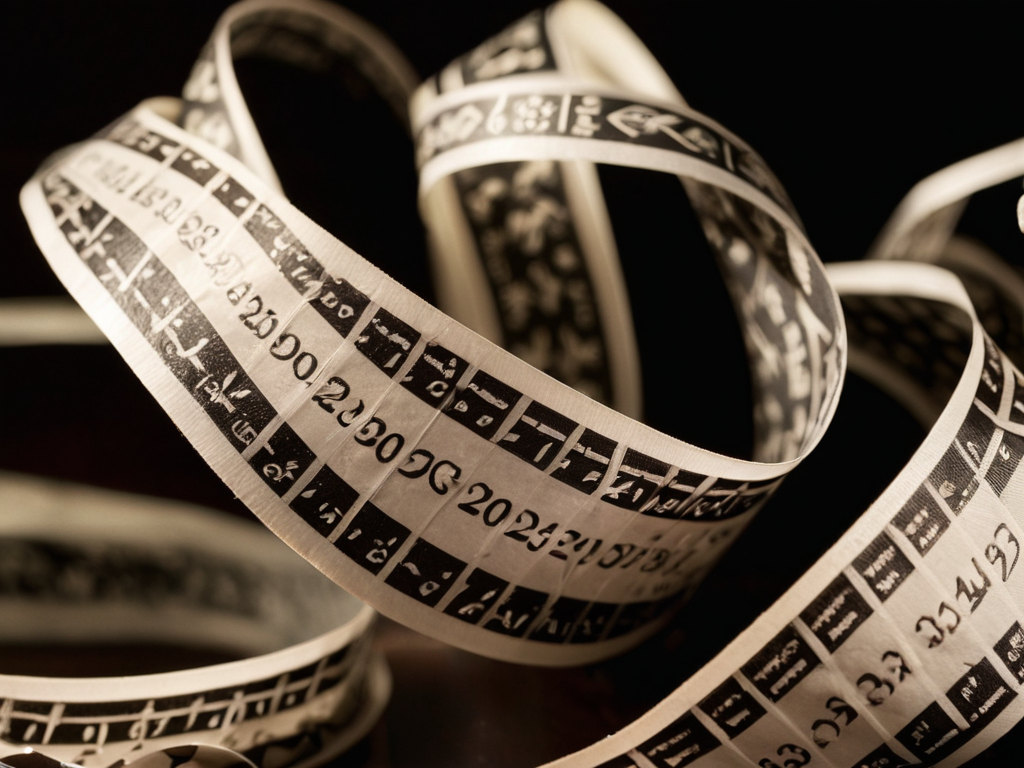
He came up, then, not through a university or a firm but through the tape itself — the moving paper ribbon that carried every trade in America past his eye. That is his seat's watermark, and it is why he sits beside Wyckoff, who studied him across a table: both men believed the price told the truth before the news did. But where Wyckoff turned teacher and lantern-bearer, Livermore stayed a lone operator to the end — a man who trusted no one's read but his own, which was his greatest strength and, we will see, the crack that ran all the way down.

The Spell
Here is the whole of it, and it is deceptively plain. Trade the line of least resistance. A stock, like water, will always run the way that is easiest for it — and your only job is to determine which way that is, and then to go with it, not against it. You do not argue with the tape. You do not decide in advance where a stock ought to go. You watch until it tells you which way it has decided to go, and then you follow.
But following requires a doorway, and Livermore's doorway was the pivotal point. A stock spends long stretches doing nothing in particular — drifting inside a range, testing a ceiling, resting on a floor. Then it reaches a price at which its whole character changes: it breaks cleanly out of the range on rising activity, or it slices down through the shelf that had held it. That price is the pivotal point, and it is the only place he wanted to act. Before the pivot, everything is noise and opinion. At the pivot, the market has finally declared itself, and the line of least resistance has a direction you can trade. Miss the pivot and chase the stock halfway up, and you have taken all the risk for half the move; wait for the pivot and you enter exactly where the truth arrives.
And then — this is the hardest and the greatest of his teachings — you do nothing. "It never was my thinking that made the big money for me. It always was my sitting." Being right at the pivot is common; the men who took profits after three points were legion, and they missed the thirty-point move that lived behind the three. The rare thing, the thing almost nobody can do, is to buy right and then sit — to hold a winning position through every wobble and temptation while the whole move plays out, because the big money is never in the buying or the selling. The big money is in the sitting.
The Honest Ledger
Now the part that keeps him honest at this table, because his ledger is the loudest warning in the book.
The triumphs were real and enormous. In the Panic of 1907 he read the exhaustion in the tape, sold the market short as it cracked, and cleared roughly a million dollars in a single day — enough that J. P. Morgan himself is said to have asked him to stop shorting to save the market. Then the masterpiece: through 1929 he grew convinced the great bull was rotten, shorted the market into the Crash, and came out the far side of that ruin worth something on the order of one hundred million dollars — one of the largest fortunes any speculator has ever made in a single stroke. At that moment he was, plausibly, the richest trader alive.
And then he gave it all back. Not to a smarter man — to himself. He broke his own rules, the very rules printed below. He over-traded, he averaged down into losers, he let opinion overrule the tape, he abandoned the sitting for the itch to act. He had declared bankruptcy before — in 1915 and again in 1922 — and after 1929 he did it once more; by the mid-1930s the hundred millions were gone. On a November afternoon in 1940, in the cloakroom of a Manhattan hotel, he wrote a note calling himself a failure and took his own life. If you or someone you know is struggling, help exists; the man in this chair would tell you the loss is never worth the ledger.
So the tag on this seat, in plain letters: being right is not the same as keeping it. Livermore proves that the edge and the discipline are two different possessions, and that a man can own the first in full while the second leaks away. His method — the pivotal point, the line of least resistance, the sitting — is written down here as the pre-registered spell livermore_pivot, and it goes to the festival like all the others with its honest tag: untested by our own water, kept because the world would know his name where it would not know a stranger's. The spell is his. The cautionary tale is his too, and at an honest table you get both or you get neither.

For Your Grimoire
Determine the line of least resistance and go with it, never against it; take your position only at the pivotal point, cut every loss small and at once, let a winner run, and then do the hardest thing on Wall Street — sit tight, for the big money is not in the buying or the selling, it is in the sitting.