The Man Who Measured the River's Memory

The Seat
The twentieth seat at the table holds a man who never traded anything in his life, and the masters seated around him would rise when he entered the room.
I want you to watch that happen before I explain it. Speculators do not rise easily. Around this table sit people who faced down panics, kings, and their own ruin without standing up for anybody. Yet when the quiet man from the survey department comes in — sun-browned, unhurried, a ledger under one arm — the chairs scrape back all along the hall. Hold the question of why. It has a better answer than courtesy.
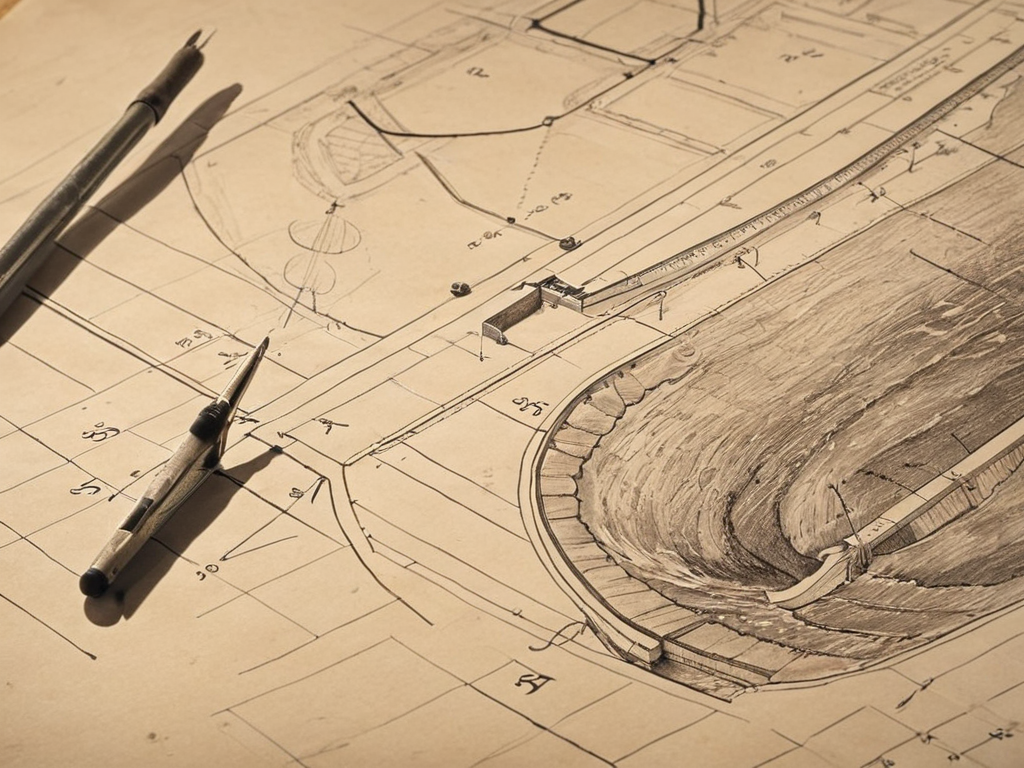
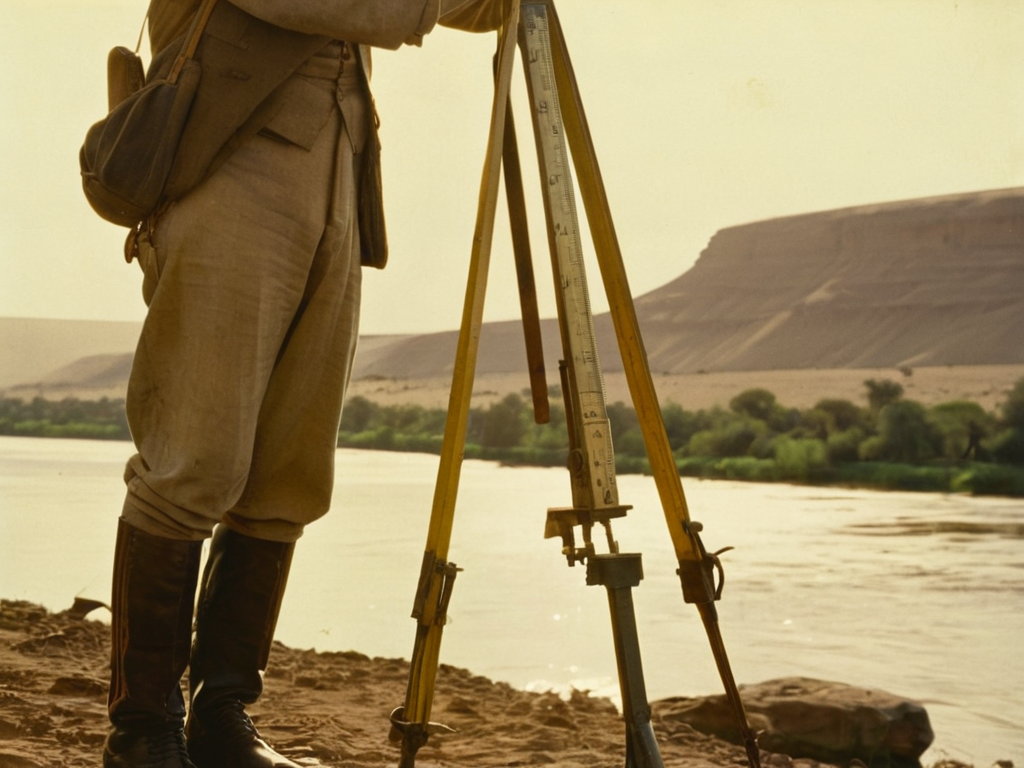
Harold Edwin Hurst went to Egypt in 1906 to do a small job for the survey department. Understand what kind of appointment that is: the sort a young man takes for a season or two, to see a strange country and come home with stories. He stayed sixty-two years. Egypt does that to the ones who begin measuring her, because the thing to be measured is the Nile, and the Nile does not fit inside a season. It barely fits inside a lifetime; he gave it his, and appears to have considered the trade fair.
The job that swallowed his life was a single question the pharaohs had asked before him: how high should the dam be? Do not let the plain words fool you — that question held every life in the valley. The Nile fed everyone; the Nile also drowned everyone, some years, and starved them in others. A high flood took the villages. A low year took the harvest. Egypt was, and had always been, a country with exactly one patron and no court of appeal — and the dam was to be the valley's first real answer back. To size the reservoir you had to know how the floods behaved. Not one flood — any surveyor with a rod can measure one flood. The runs of them. The wet years and the lean years: how the good floods came, and how they kept coming; how long the lean years lasted once they settled in.
Every engineer before him assumed the river rolled dice. A flood year, then whatever came next, each year a fresh coin toss with no memory of the toss before — because that is what the mathematics of the day assumed about everything. Under that assumption the dam had one correct height, and the calculation was almost easy. Mark the word easy. Easy answers are dangerous precisely because they let a man stop looking, and a whole profession had stopped looking, comfortably, for generations.
Hurst did what this whole table does. He refused the assumption and went to the records.
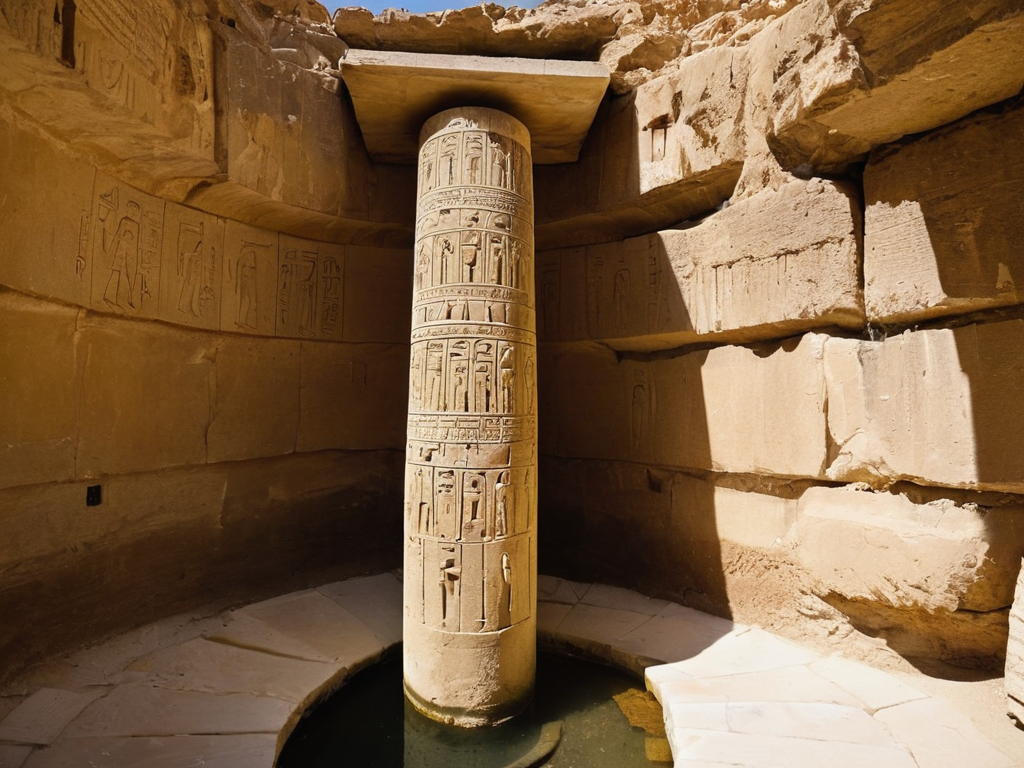
And Egypt, alone on earth, had the records. Priests and surveyors had carved the Nile's flood heights into stone for eight hundred and forty-seven years — generation upon generation of them, each keeper setting down his floods and dying, none of them knowing they were compiling the longest continuous ledger our species owns. The Rhoda nilometer had been read since before the Vikings sailed. Stand your own chart next to that for a moment. The proudest price record any trader can produce is a child beside it. No market on earth has a tape that long.
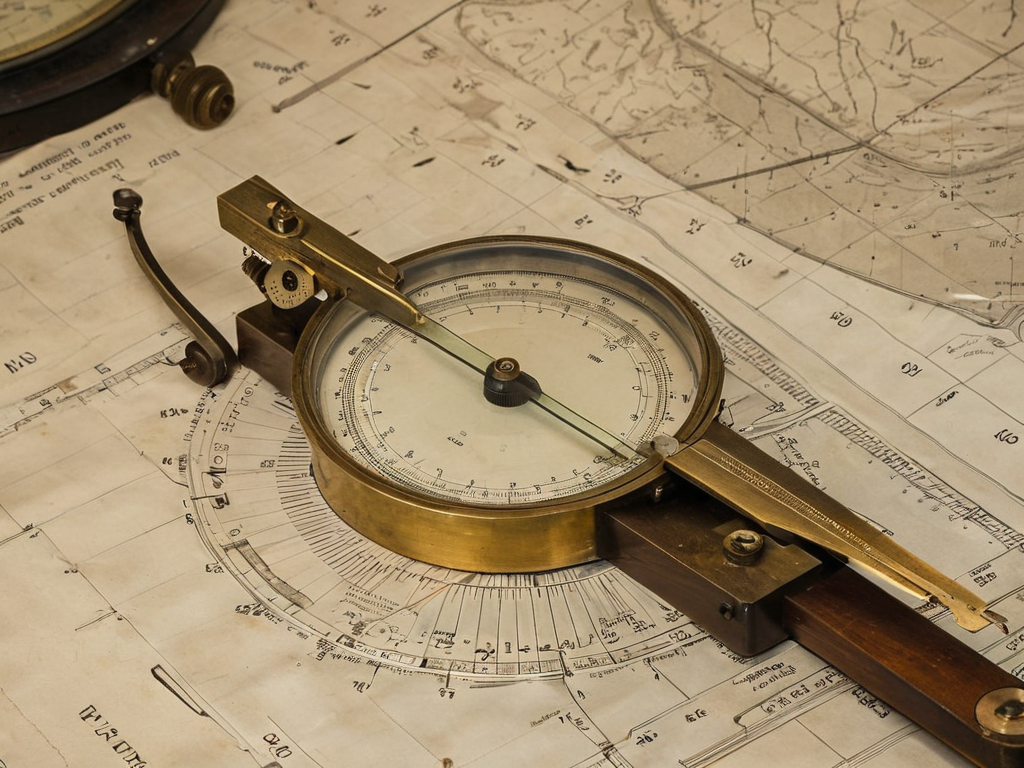
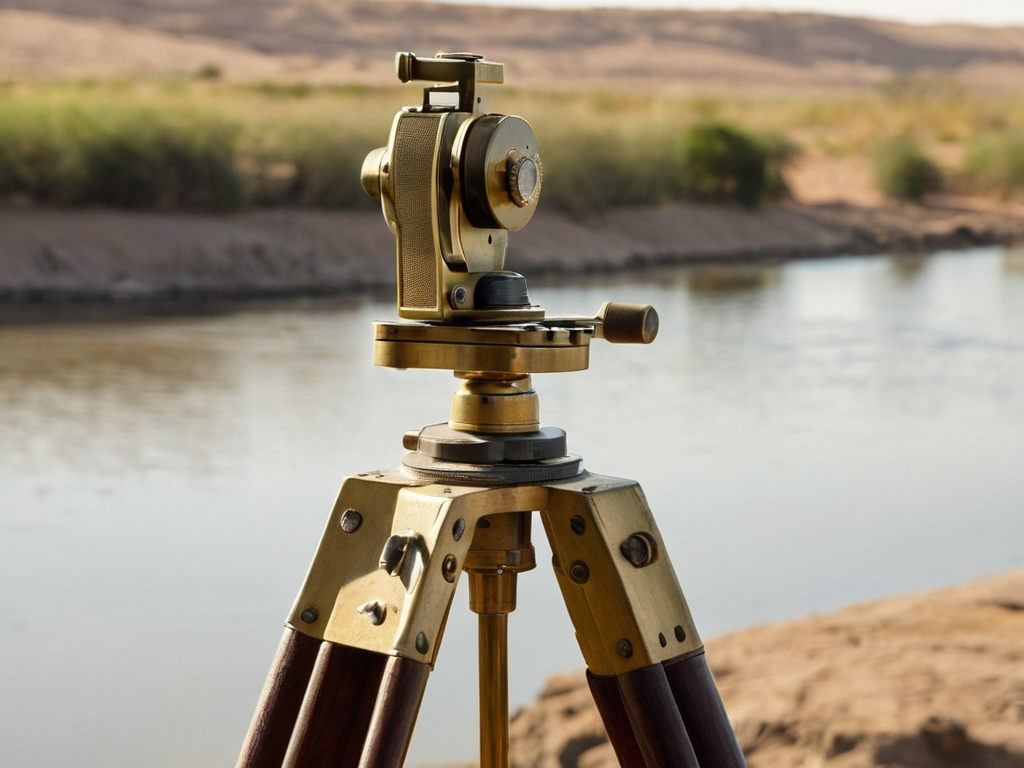
Now come to Cairo and let the decades pass, because the man's texture is in them. There is no shouting in this part of the story, no ticker, no fortune won or lost by Friday — a survey office, the heat, the flood arriving each year to be measured like a tide reporting for inspection, and a man working down columns of figures first cut into stone before his own country existed. Season after season the ritual repeated: the flood came up, the flood was read, the new reading joined the centuries of readings before it, and the man from the survey department bent over the whole growing ledger and asked it, again, the only question he ever asked it. He measured the runs — how far the river's cumulative fortunes wandered from their average, year over year — and divided by the ordinary scatter, so that rivers of different sizes could be compared, so that the answer would be about rivers and not about one river. This was not a season's inspiration. It was a working life spent asking one question of one river, checking, and asking again — a patience no market has ever permitted anyone, which may be exactly why the answer had been left for him to find.
The wandering was too wide. Far too wide for a coin-tossing river. He checked, the way careful men check when their result disagrees with the mathematics of their whole age, and it stayed too wide. Wet years clustered. Lean years clustered. Fortune came in runs, and famine came in runs, and the stones had been saying so for eight and a half centuries to anyone patient enough to add them up. Seven fat years, seven lean — the oldest market story in the world, Joseph's story, first told in this same river valley — and Hurst had put a number on it.
The river remembered.
A smaller man would have written his paper and sailed home. Hurst went looking for the edges of the thing. He checked tree rings, lake beds, sunspots, mud sediments — anything on earth that had kept a long enough record of its own fortunes — and the memory was everywhere. Wherever nature had kept books long enough to audit, the books showed runs. Nature's fortunes do not toss coins; they trend and they linger, and the mathematics everyone used assumed they could not. Sit with the mismatch between the size of that finding and the size of the man's voice: a quiet employee of a survey department, working from flood ledgers in Cairo, had caught the ruling assumption of his age being wrong about nearly everything on earth that has a memory. He did not thunder about it. He set down his measurements and went back to work on the dam. It took the world's scientists decades to absorb what the quiet man in Cairo had measured, and when they finally named the number, they named it after him — which is how science admits, in its own reluctant grammar, that a man was right too early.
Most men who are right too early die waiting for the proof. This story ends better, and I would not trade its ending for any fortune at this table. He was eighty-five when the High Dam at Aswan finally rose, sized by his arithmetic — a lifetime's answer poured into stone across his river, built by the one man alive who knew exactly how brutal the river's runs could be, because he had read every one of them back to the first carved stone. It holds to this day.
So now you know why the chairs scrape back. Every trend-rider at this table — every master who ever let a winner run — was betting, whether he knew it or not, that markets remember: that the wind which blew yesterday says something about tomorrow. Not one of them could prove it. The quiet man from the survey department measured memory itself, on the longest honest ledger in the world, and never risked so much as a coin on the answer. The speculators rise for him because every run they ever rode was, in the oldest sense, water from his river.
The Spell
What Hurst left the table is not a trading rule. It is the question you must ask before any trading rule — and by now you will recognize it, because you have been asking it since the first divination:
Does this thing remember, or does it toss coins?
His instrument compared how far a series wanders to how much it rattles — the journey measured against the walking. A coin-tossing series wanders a known, modest amount; it forgets each step the moment it takes it. A remembering series — a trending series — wanders further than forgetting could ever explain. A mean-reverting series, snapping back on itself like a plucked string, wanders less.
Read those three conditions back and you will find you already know them. They are wind, and chop, and the weather between — the sky you learned to read on the very first lesson of this book. Kaufman's napkin number at Seat 32 is a fast, rough, tradeable descendant of the same idea Hurst carved out of the Nile's stone ledger: measure the memory first, and only then decide which spell the weather deserves.
The pursuit spells of this table — Donchian's channel, the Turtles' breakout, the boxes of the Dancer — all of them are bets that the memory is real. Every one of them dies in a forgetful market. Hurst is the reason you check.
The Honest Ledger
Now the other column, because this seat earns its place with a warning as much as a gift.
The river's memory was measured across centuries. Your chart is not eight hundred and forty-seven years long. On short records, Hurst's own instrument turns unreliable — it sees memory in coin tosses, the way men see faces in clouds. Estimate it on a few hundred bars and it will tell you beautiful, confident lies. The modern versions are better behaved and still lie a little. A memory number computed on a short window is a mood, not a measurement.
And memory, where it is real, is not a promise. It says the wind has tended to keep blowing. It does not say the wind will not stop today. The Nile's fat-year runs ended, every time. That is precisely why the question was worth asking about the dam: not whether the lean years would come, but how brutal a run of them the structure had to survive.
Hear that with both ears, because it is this seat's deepest teaching, and it points straight at the seat that follows: Hurst was never predicting the river. He was sizing the reservoir. He took the longest honest record he could find, measured the worst runs it contained, and built so the structure would outlive them. Replace reservoir with account and flood with drawdown, and you have the whole discipline of survival this book has been teaching you — measured, for once, by a man whose dam is still standing.

For Your Grimoire
- Before any spell, ask the river's question: does this market remember,
- The journey against the walking — Hurst measured it on stone, Kaufman
- Short records lie about memory. The confidence of the number grows
- Memory is a tendency, never a promise. The fat years always ended.
- And the master's own use of it: he did not forecast the flood — he
or does it toss coins? Trend spells are bets on memory. Check the memory before you pay for the bet.
on a napkin. Same divination, one lineage. Read the sky before you cast.
with the length of the ledger, and only with the length of the ledger.
sized the dam. Measure the worst run your record honestly contains, then build your account so that run cannot kill it. His arithmetic holds back the Nile. Yours only has to hold back a losing streak.