The God of the Markets, So They Called Him
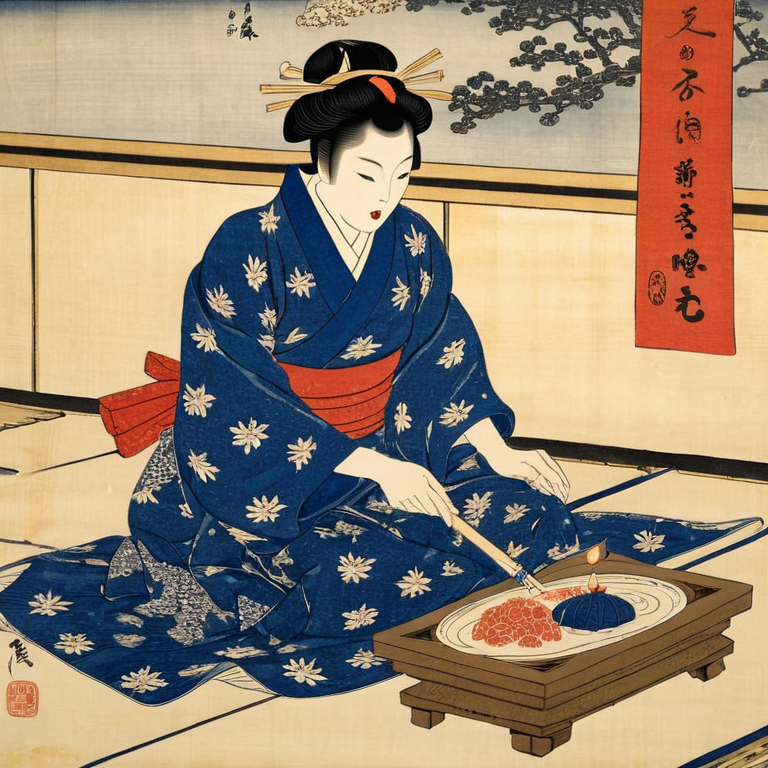
The Round Table · Seat 11 · Homma Munehisa, 1755
They wrote a street song about him three hundred miles from his house — a weather system with a man's name. The legend hands him the candlestick. The record hands him something better. Come and see which one this lab is still grading.
---
The Seat
Come round the table to seat eleven, and meet the guest the far side of the world calls, without blushing, the god of the markets. That title is attested — crowds in Edo really used it — and it is the last unexamined thing I will let this chapter say about him.
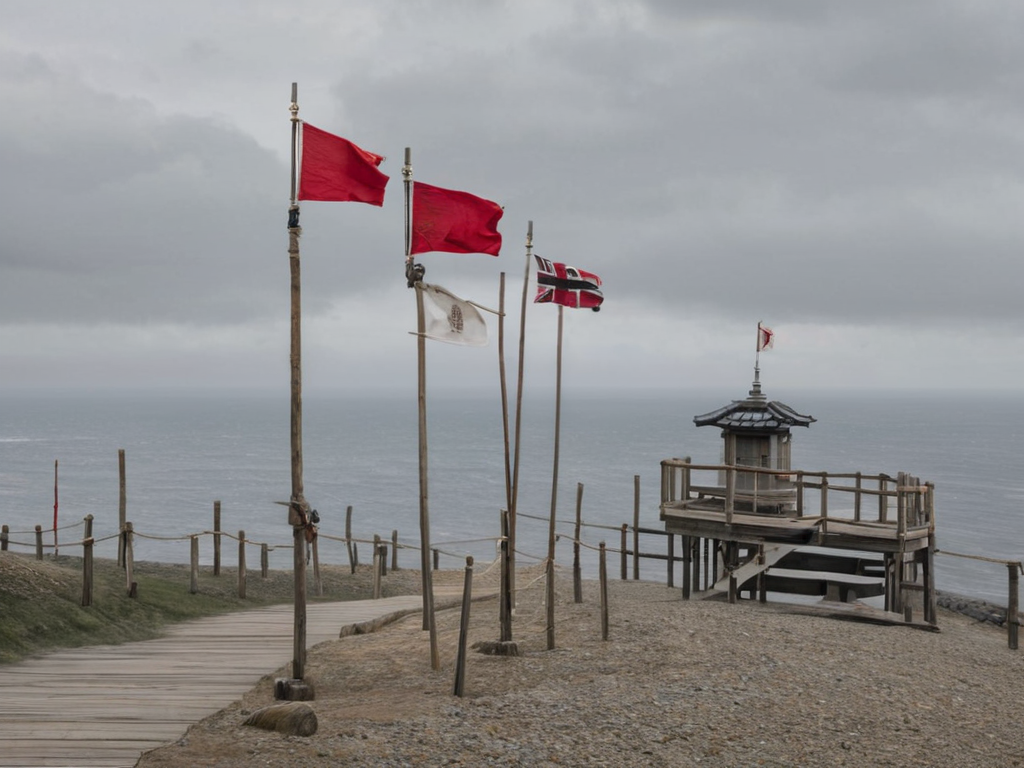
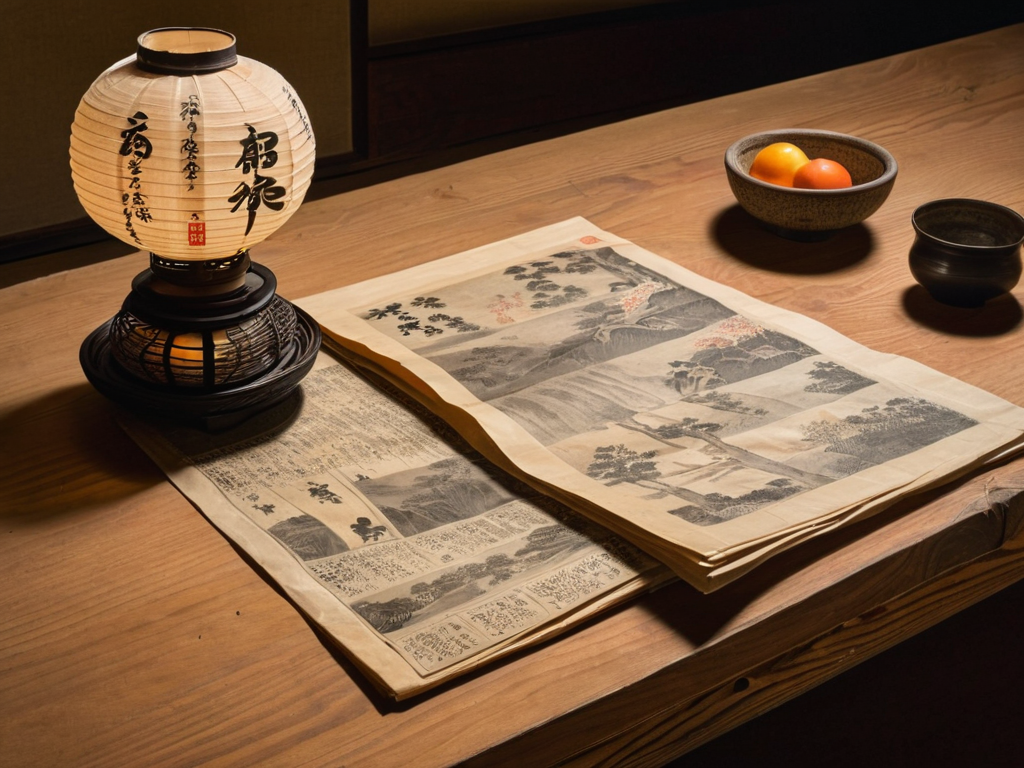
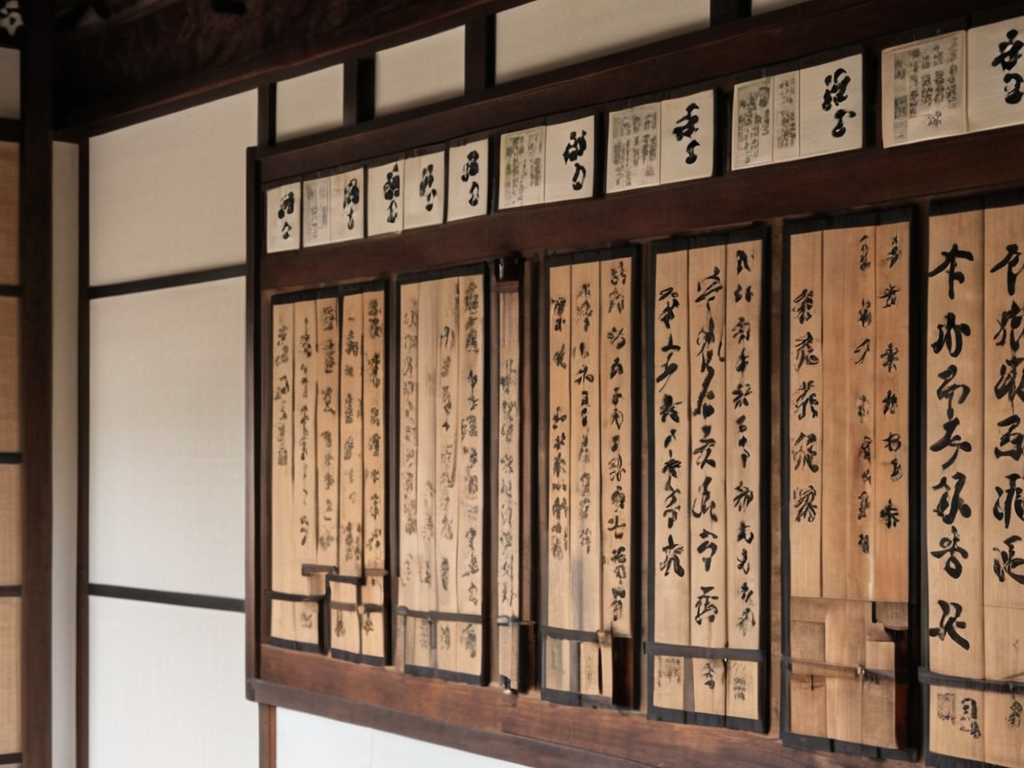
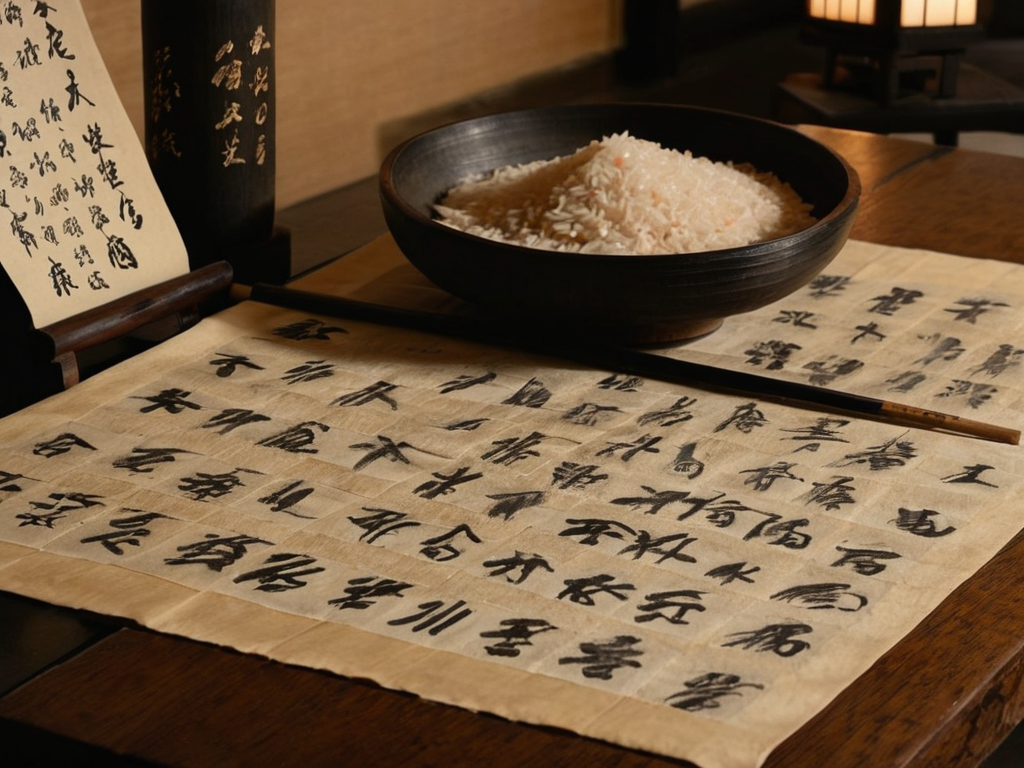
Homma Munehisa, of Sakata: a grey port town at a river mouth on the northern sea, six hundred kilometers of mountains and coast away from the roaring bridge at Dōjima where his profits were made. You climbed his weather-hill with me — every port has a hill where men read the sky to decide which ships sail. What no other port had was the bottom of his hill: rooms of ledgers. Years of rice prices set beside years of weather, kept and compared the way a scholar keeps texts. Where every rival merchant remembered last season, Homma could look up the seasons from before he was born. He built himself a memory longer than a lifetime — the first trader on my whole journey to do it — and I know a scrying pool when I see one, even one made of paper.
Now the labels, sorted in front of you, because his legend arrived at this table before he did. Legend: that he won more than a hundred trades in a row; that his fortune beggared princes; that the shogun's court made a samurai of a merchant in his honor; that he strung a private signal line of flag-men from Osaka toward Sakata — the tellings disagree with each other, which is itself worth knowing. Attested: the title, and the street song sung in faraway Edo — when the sun shines in Sakata, it clouds over at Dōjima and rains in the rice quarter of Edo. Think about what that song is claiming: one merchant's buying moved prices in the next city and the one after that. A weather system with a man's name. The fortune's size, wherever you have read it? Reported, never audited, and this table does not repeat figures nobody counted.
And the famous credit needs the famous honesty. Every trading book of your century lays the candlestick — those little candle-shaped figures burning on your chart right now — at this man's feet. The drawn candle forms as you know them were most likely formalized generations after his death. The patterns even carry his town's name, the Sakata rules, and descend from his school — but the ledgers cannot put today's candle in his hand. What the record can put in his hand is the thing the candle was later built to hold, and it is the reason he outranks nearly everyone in this room: in 1755 a small book came out of Sakata that tradition puts in his hand — The Fountain of Gold: The Three Monkey Record of Money — and it is not a book about rice, and not a book about weather. It is, so far as anyone can tell, the first book ever written about the minds of the people trading. Fear and greed as forces that move prices. The mood of the floor as a thing you can study.
The legend gives him the candle. The truth gives him the seeing. The seeing is worth more.
The Spell
A spell, remember, is exact language — spoken precisely it changes the world, mumbled it does nothing, which is also the exact definition of a trading rule. Homma's seat lays three on the table, and I will be honest with you about which ones the lab has finished grading.
First, the rotation. Markets, he wrote, are a turning of Yang and Yin — rising times and falling times — and the two take turns in order: inside every long rise the fall is already being born, and when every last heart on the floor despairs of prices, the rise is already underway beneath them. Not a pendulum. A rotation. He watched it turn with his naked eye, in paper ledgers, on a hill above a grey sea.
Second, the three mountains — sanzan. Watch price assault the same ceiling three times. Three attacks, three failures — a mountain range drawn by exhaustion. The third failed summit is the crowd's arm going dead: everyone willing to buy at that height has bought, and been handed back. His school read it as the shape a top makes when hearts, not prices, run out.
Third, the three soldiers — sanpei. Three rising candles marching in step, each closing above the last — strength that keeps its feet. Not one lucky lunge but a column advancing, the shape a crowd makes when it believes tomorrow morning what it believed tonight.
Here is what makes this seat different from every dusty pattern-book on your shelf: the mountains and the soldiers have been forged. The lab took Homma's shapes and wrote them as exact rules — `sanzan` and `sanpei`, by name, every word load-bearing, nothing left to the mood of the caster — and as this page is written, both are running the gauntlet on the scrying pool: one engine, real costs, verdict rules signed before the trial. The lab has not ruled. This table does not whisper verdicts it does not have, and it does not dress a pending trial as a triumph. A two-and-a-half century old eye is being cross-examined by a machine, fairly, and you will read the verdict in the lab where verdicts live. Win or lose, understand what an honor the trial itself is: most legends never get one.
The rotation, though — the rotation has already been to court.
But first, your hands on the spell, tonight, under the usual vow: trace, watch, trade nothing. Open any chart and go hunting for a mountain range — one ceiling, three assaults, three failures. When you find one (you will), put your finger on each failed summit in turn and say the fight out loud: who charged, how high the attack reached, who was thrown back. You are not predicting anything. You are learning to read exhaustion the way Homma read it — as a story about hearts, told in shapes — and dignify what your eye already suspected: the fights are not random. Strength tires into weakness. Weakness exhausts into strength. Taking turns. In order.
The Honest Ledger
Verified / attested: Sakata and the family rice trade; the ledger archive and weather-watching (widely attested; the exact rooms are my staging); trading at Dōjima; the god-of-markets title and the Edo street song; the 1755 book and its standing as the first study of market psychology — with authorship "tradition puts in his hand," which is the strongest thing the record says.
Legend, labeled: the hundred straight wins; the prince-beggaring fortune (REPORTED, never audited, figure omitted on principle); the honorary samurai rank; the private flag line. And the candlestick: credited everywhere, drawn later — the forms formalized generations after him, the Sakata rules named for his town. Legend gets the candle; the record gets the seeing.
In the gauntlet now: `sanzan` and `sanpei` — his mountains and his soldiers, written as exact rules, on trial at real cost with the verdict sealed in advance. Pending, and printed as pending.
Measured, in this lab: the rotation. We put his wheel to the question — named the sky over four markets by one exact rule, moment by moment, and watched it change more than half a million times; then shuffled the whole history again and again to see if blind chance could fake the turning. It could not come close. The true record stepped forward around the circle roughly three times for every two that shuffled chance could ever manage — every market, every stretch of years, the same. A rice merchant watched that wheel turn with his naked eye in 1755 and wrote that the thing turning it was human hearts. It took us two hundred and seventy years to count what he saw.
For Your Grimoire
The legend gets the candle; the record gets the seeing. Read every candle as a fight and every top as an exhaustion of hearts — and remember that the turning he saw by eye held up in court: the wheel steps forward three times for every two that chance can manage. His mountains are still on trial. His rotation already won.