The Trial
Every other guest at this table I introduce to you as a master. This one I introduce as a defendant — and you, reader, I am seating in the jury box. Do not smirk and do not swoon; both are ways of not looking. The court now in session is the same one that buried the golden ratio — and then paid out treasure from the reopened grave. It is a fair court. That is the point of it.
---
The Seat
Look at the defendant before we begin, because he is worth looking at. He sits perfectly composed at seat seventeen, and he is — I say this with a host's precision — the best-known unknown at my table. Every other guest here, we possess: ledgers or letters, audits or confessions, something a court can hold. Of this man we possess a mountain of his claims and almost nothing that checks them, and he seems, across the distance of a century, entirely comfortable with that arrangement. The mystique is not an accident that happened to him. It is the most durable thing he ever built, and it has outlasted every forecast it was built to sell. Very well. Courts exist for exactly such craftsmanship.
First, then, the record of the man, read into evidence — and I ask the jury to notice how ordinarily it begins.
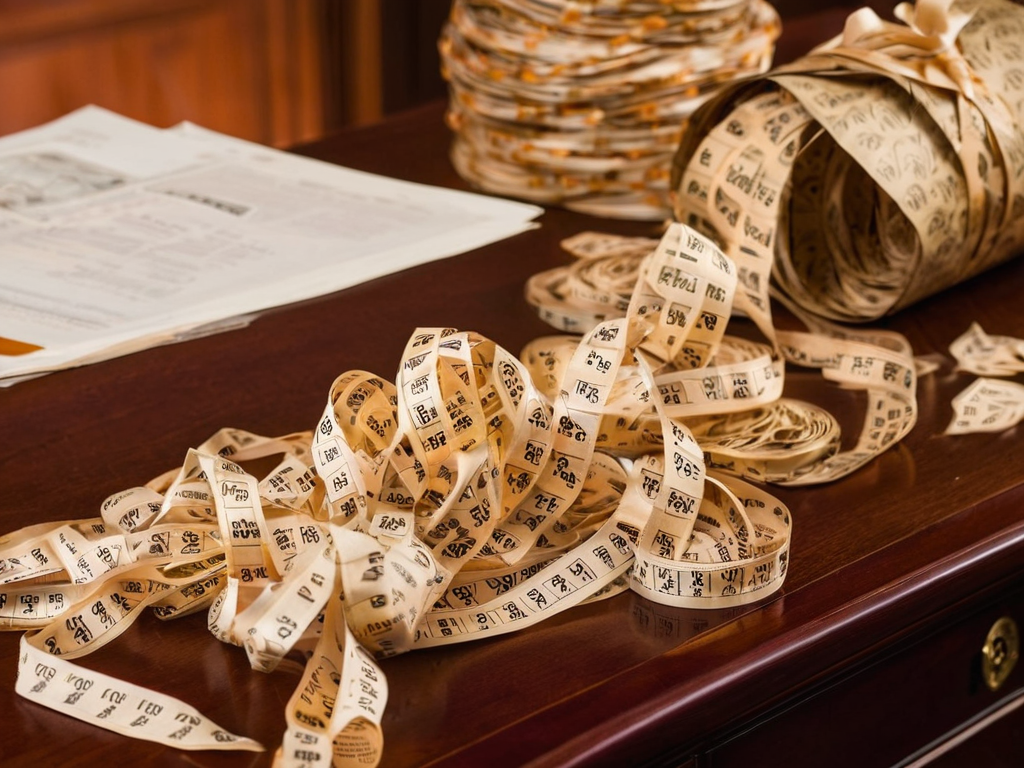
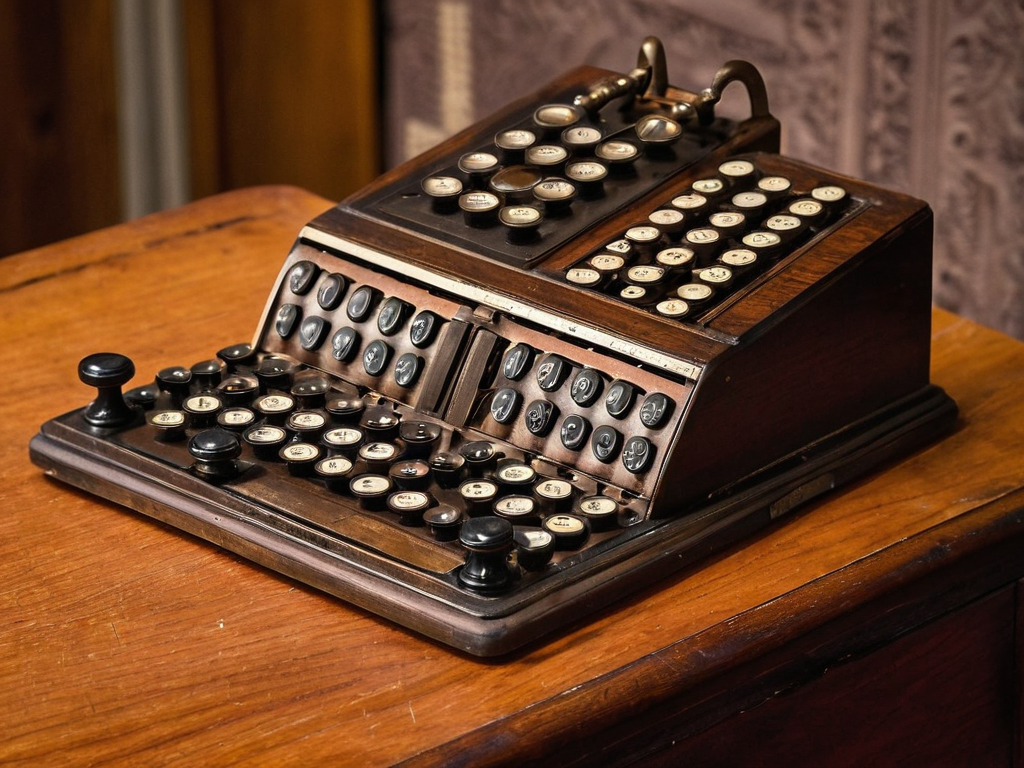
William Delbert Gann, born 1878 on a cotton farm near Lufkin, Texas; in New York by the early 1900s; died 1955. A boy of the cotton country, where a family's whole year was itself a wager — on rain, on boll and blight, on what the crop would fetch — long before anyone drew a chart of it. The street he arrived on, you have walked with me already: the age of the tape. Every trade on the great exchange squeezed down a telegraph wire and printed onto a moving ribbon of paper; machines chattering under glass domes in every office window, like rain on a tin roof that never lets up; boys sprinting quotations between brokerage houses. For the first time in the history of markets, the whole day's battle fit between a reader's finger and thumb — and around that honest ribbon, a carnival: tips, whisper-men, and rooms where the public's money arrived faster than its understanding. It was an age hungry to be told its future. Telling the future is the trade the young man from Lufkin made his own.
For half a century he sold market forecasting: annual outlooks, books — including a strange prophecy-novel called The Tunnel Thru the Air — and, by the end, a "master course" at five thousand dollars a seat, which in 1950 was the price of a house. Let the jury handle each exhibit and feel its weight. The outlooks: the future, issued annually, on a subscription. The novel: prophecy bound as fiction, or fiction bound as prophecy — the court has never been able to settle which way the binding runs, and suspects the author preferred it so. The course: mark the price again, because prices are testimony. Nobody pays a house for arithmetic. People pay a house for revelation — and that observation, hear the court exactly, is not yet a verdict on whether the revelation was real. It is only the shape of the business, entered into the record.
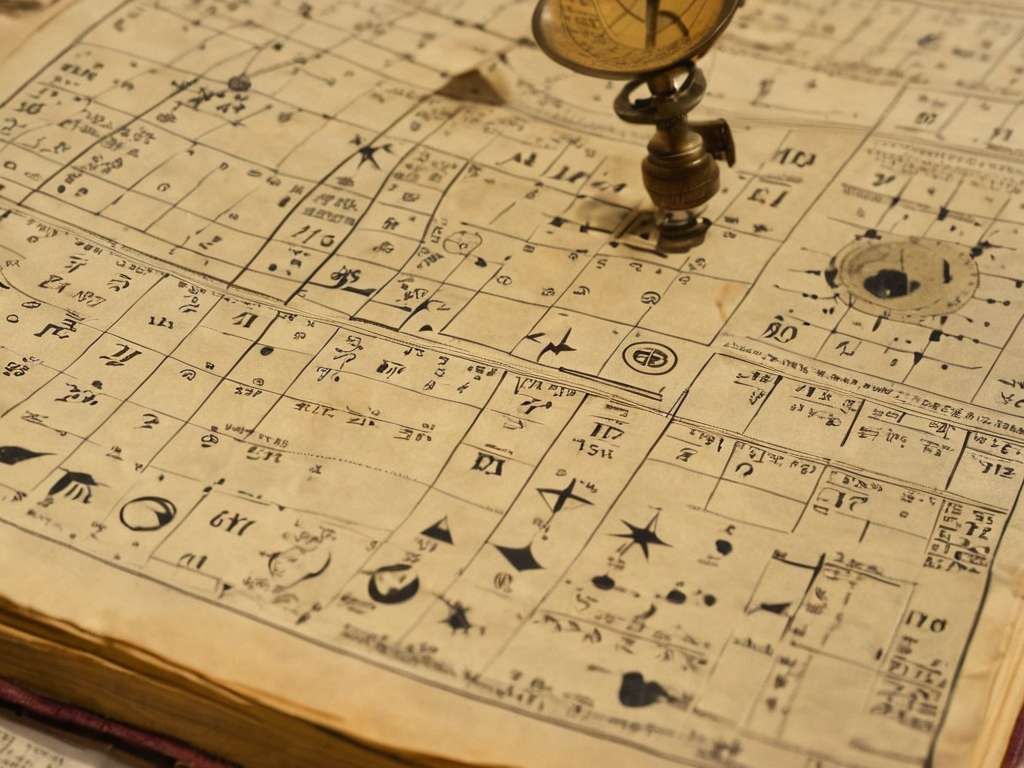
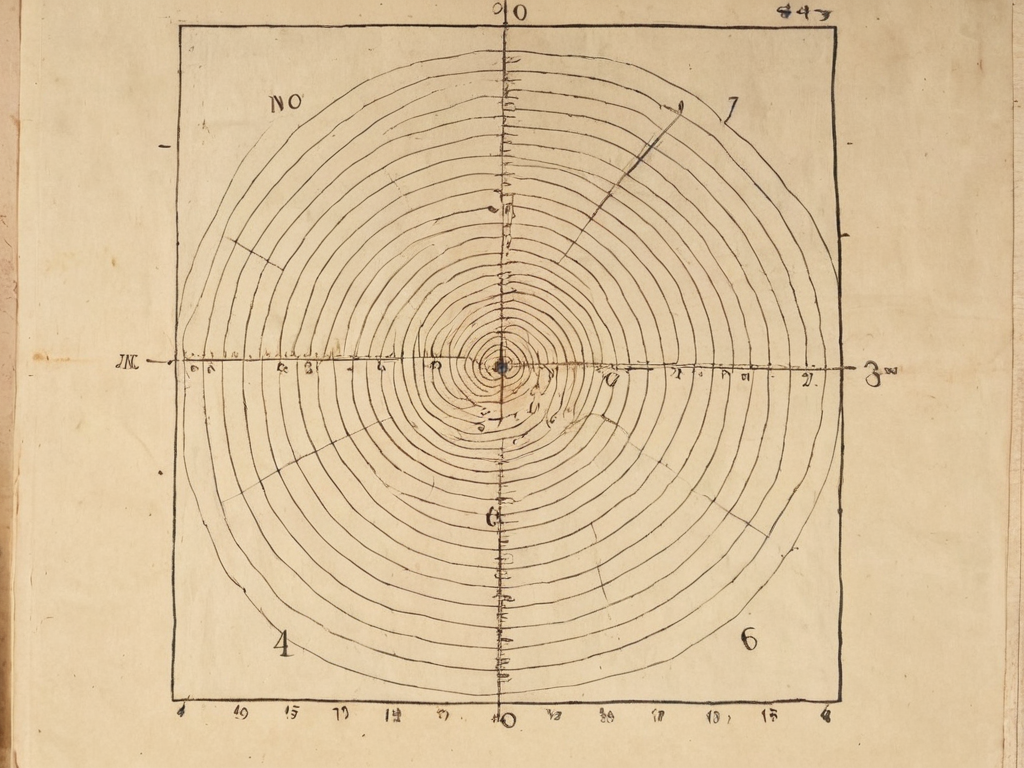
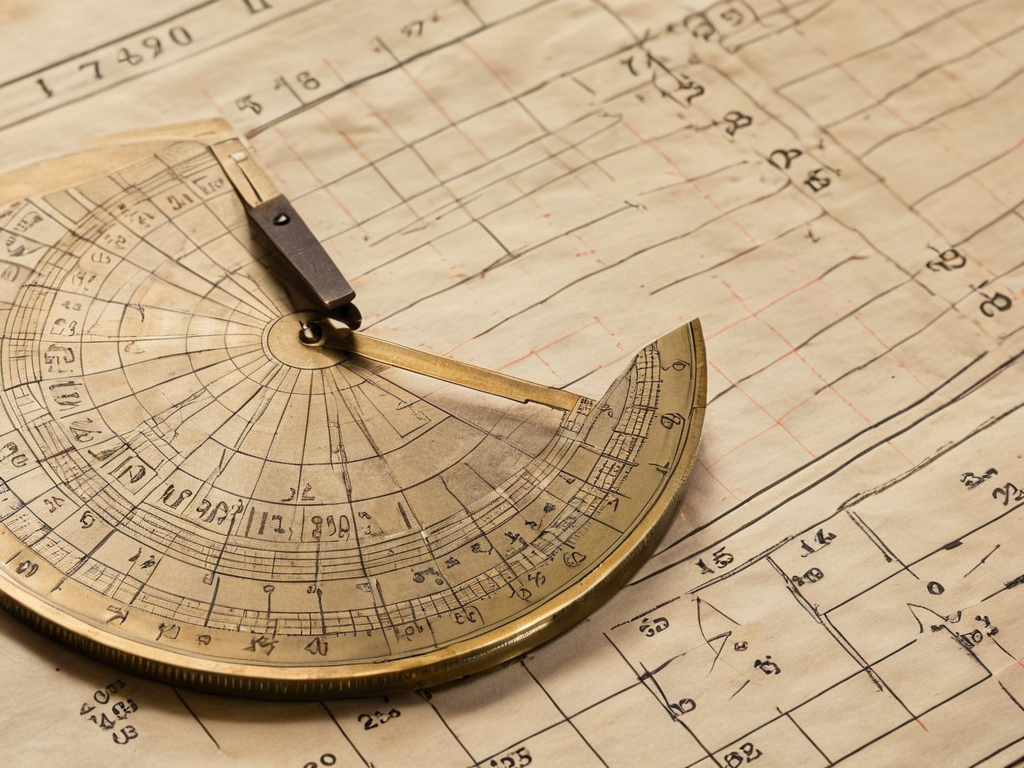
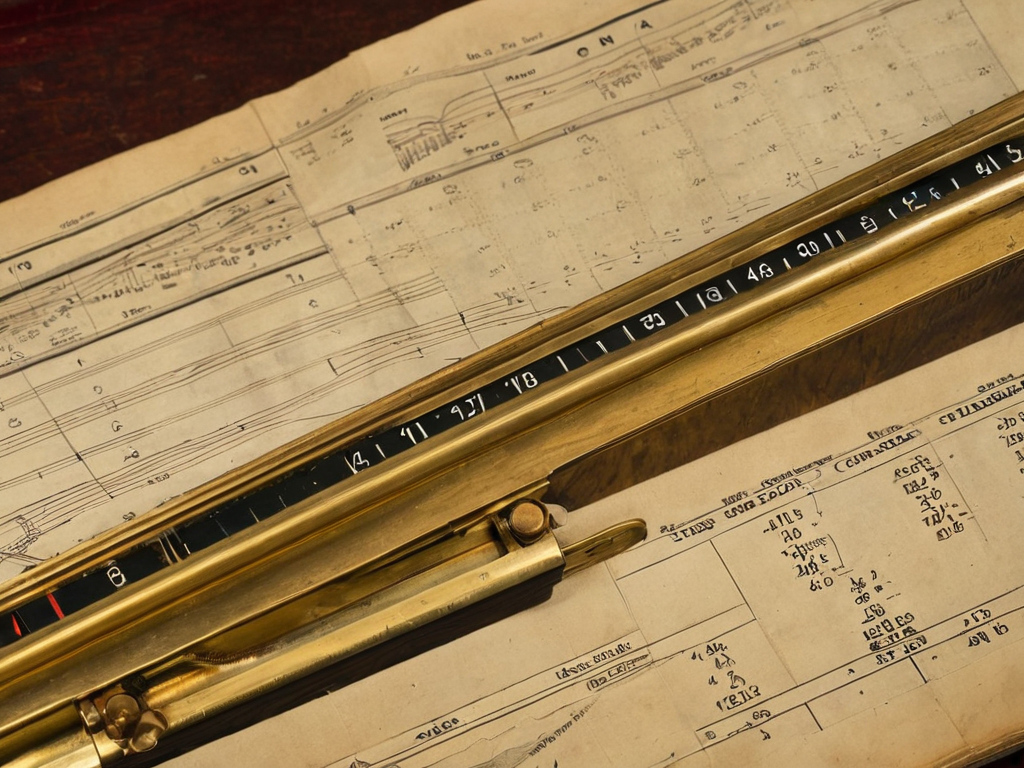
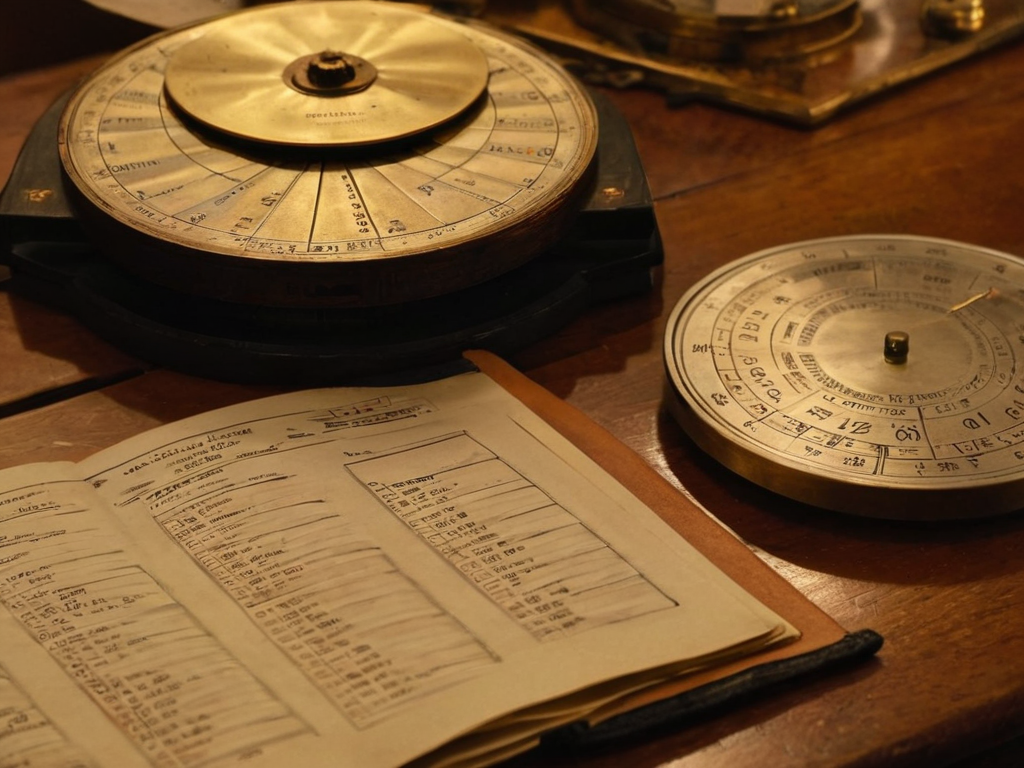
His system's public face: geometric angles drawn on price charts, a spiral of numbers called the Square of Nine where support and resistance fall at "degrees" of rotation, anniversary dates on which markets are said to turn, and planetary cycles behind it all. Lay them on the evidence table in their robes — geometry, the wheel, the calendar, the heavens. The court will sort them soon into what can stand trial and what cannot, and that sorting, not any smirk or swoon, will be the real business of this chapter.
And the origin of the legend sits in one magazine article. In October 1909, Richard Wyckoff's Ticker and Investment Digest reported that Gann, watched for twenty-five trading days by an observer, made 286 trades with 264 winners — ninety-two percent — and multiplied his capital tenfold. Weigh the venue before you weigh the claim, because the venue is why the legend took. This was no penny tip-sheet: Wyckoff was the most serious student of the ribbon in America, and his journal was becoming one of the most influential financial publications in the country — the same press that helped make the great operators of the age household names. A wonder printed there arrived wearing respectability. The article is real; I have seen the volume and page cited. But the brokerage records behind it do not survive, the observer was arranged for the piece, and no independent audit exists — not then, not since. So the house label goes on before the wonder, as it always does: reported, never audited.
Sit with what an audit would have required, jury, because the difference is this seat's whole hinge. It would have required the broker's own ledgers, opened trade by trade by unfriendly eyes. The defendant's neighbor at this very table — one chair down, seat eighteen — received exactly that: a biographer went into his actual records, his crash legend came apart, and the truth underneath proved better than the story. That is what the opened ledger can do. Gann's ledgers cannot be opened; they are gone. So the ninety-two percent can never be promoted to verified — and hear the court with equal exactness — it can never be demoted to false. Unexamined is a different word from false, and a different word from verified, and the ability to feel the difference between those three words in the dark is the deepest spell the tape's street ever taught. This trial exists because, for a full century, almost nobody bothered to feel it. The believers took the article's word. The mockers took the missing records as a confession. Both were reading the legend. Neither was reading a ledger, because there was no ledger to read — only, as you will see, the parts of the system exact enough to make fresh ledgers from.
And let the court state plainly, before the trial proper, what is not on the docket — because a fair trial is mostly made of the charges it declines to invent. The man's sincerity is not on trial: whether he believed his own geometry is a question no record can answer, and this court does not try souls. His customers are not on trial: a century of people who wanted the future badly enough to pay for it deserve, from anyone honest, more sympathy than sneering — most of us at this table wanted the same thing and merely paid in different coin. Even the selling itself is not on trial: teaching for money is an old and honorable trade when the goods are real. Everything, you see, comes back to the one question the century never asked properly. Are the goods real? That question has a docket number now.
Why does he get a seat at all, then? Because this table does not seat only the vindicated. It seats what the trading world actually inherited — and it inherited Gann the way it inherited the golden ratio: everywhere, drawn on a million charts, believed by thousands, and never once put on trial under rules written down in advance. His angles ship in charting software; his wheel is sold, taught, and cast daily by people who were never once shown a fair test of it, for or against. A century of verdicts by temperament — swoon or smirk, choose your church — and not one by protocol. My lab exists for exactly this case. So the seat is his, and the seat is a dock — and you, jury, are asked to do the one thing neither church ever did: stay seated until the evidence is actually read.

The Spell
His spell claims that price and time are geometry — that a market's future turns on angles, squares, and anniversaries. The court's first job is not to judge that claim. It is to ask a harder question first: can it be judged? Watch closely, because this is a spell-lesson in itself — the most important one in this chapter.
The angles cannot stand trial — and not because they are wrong. Here is the difficulty, taught plainly. A "45-degree" line on a price chart has no meaning until you decide how many price units equal one unit of time. Gann drew on paper squared at eight points per inch by eight days per inch; on any other scaling, the very same trendline is a different angle — your own charting screen proves it every time you zoom and watch the lines swing. He left behind no general rule for setting that scale (his defenders dispute this; no published rule survives that covers any instrument you hand it). So any test of the angles would require us to invent the missing convention — and then the verdict would fall on our convention, not on Gann. In this court, a claim that cannot be pinned down cannot be condemned or acquitted. Unfalsifiable claims do not get graves. They get left outside the cemetery, neither honored nor buried, and that is where the angles stand. Mark this well: it is not mercy, and it is not contempt. It is the law.
The squares and the dates, though — those can stand trial, because they reduce to arithmetic. The Square of Nine, stripped of its robes, is a recipe: take a market's important low, take the square root of the price, step it forward by quarter-turns of his wheel, square it back. That yields an exact list of levels, no scaling debate, no wiggle room. Likewise the time claim: markets turn on anniversaries of old tops and bottoms, and at his favored counts of days around the circle of the year. A calendar rule. Exact. Testable. (The planetary cycles are excluded the same way the angles are: no single fixed rule was ever published — which planet, which aspect, which market — and a search that free will always find something by chance. If a champion supplies one named rule in advance, the court will hear it.)
So the trial is written, and its rules are signed before any evidence is run. At the festival, the Square of Nine's levels will stand against two kinds of impostor: plain evenly-spaced grids over the same ground, and near-miss wheels turned by not-quite-his angle — because a sacred number must beat not only randomness but its own neighbors, or it is not sacred, merely nearby. The anniversary dates will stand against a thousand decks of random dates dealt over the same years. Every cell will be read under the weather, because this house learned the hard way that pooling can bury a real effect. The verdict rules are already signed: what must be beaten, in how many markets, holding in the early years and the late ones alike. Nobody — not I, not the festival, not Gann's defenders — gets to move a goalpost after the first result prints.
And one clause in the trial papers matters more than all the rest — the catch-the-body clause. When this court tried the golden ratio, the sacred number died in every role it claimed. But because the runs printed the whole surface instead of only the shrine, they found two real spirits living near the grave — depth and weather — and those now carry the best chapter in this book. The same clause is written into Gann's trial: the full surface prints, every phase of the wheel, every day of the calendar. If any real regularity lives near his legend but not at it, the run finds it instead of burying it unexamined. So hear the outcomes, declared before the evidence, as the protocol demands. If a claim passes, Gann is seated properly: tested, one claim alive, and that claim goes on to face real costs like every other spell in this book. If all fails and the surface is bare, he receives an honest grave with the runs cited on the stone. And if all fails but the surface shows a body — the body gets its own name and its own trial, and the credit goes to the data. The answer prints either way. That is the whole protocol, and it is more respect than his believers or his mockers ever gave him: both took the legend's word for it.
Now the other number, because the jury must hear it. The legend says Gann died worth fifty million dollars. The figure circulated among his students and, later, among the sellers of Gann courses and Gann software — notice who profits from the story, a lesson you learned two seats ago from a pamphlet signed Satan. Against it stands testimony from the closest witness there is: his own son. A trader-author who interviewed him reports the son saying that his father could not support the family by trading alone and made his living writing and selling courses — and that the estate at his death in 1955, house included, came to slightly over one hundred thousand dollars. An old associate is likewise reported — at second hand — denying the fortune. The defenders answer that the son had fallen out with his father, and that a hundred thousand in 1955 is a comfortable seven figures today. Both of those things are true. Neither of them turns one hundred thousand into fifty million. The ledger outranks the story — and hear the lantern in this, because it burns both ways: a man can die merely comfortable and still have found something real, just as a man can die rich on tuition and have found nothing. Which is why his levels and his dates are on trial, and his bank balance is not.
The Honest Ledger
Labels on, and this seat wears more than any other:
- The 92% month: reported in a real 1909 magazine; records do not
- The $50,000,000: reported, never audited, and disputed by the two
- The angles: unfalsifiable as stated — no scaling convention survives,
- The Square of Nine and the anniversary dates: exactly computable,
- The planetary cycles: excluded unless one named rule is filed before
- The precedent: this same court and protocol buried the golden ratio
- **Nothing here calls the man a fraud, and nothing here calls him a
survive; observer arranged; never audited then or since. Reported is the strongest word it will ever earn.
closest living witnesses. The only ledger anyone has produced — the son's account of an estate slightly over $100,000, itself an interview, not a public probate document — points the other way. The associate's denial is second-hand and must not harden into more.
so no honest test exists. Excluded from trial: neither endorsed nor condemned. Left outside the cemetery.
therefore falsifiable — on trial at the festival, against even grids, near-miss wheels, and random calendars, verdict rules signed in advance, full surface printed under the catch-the-body clause.
the run. Unbounded freedom to search is a machine for finding accidents.
0-for-4 — and paid out depth-and-weather from the same runs. The court kills, and the court pays. That is why its verdict on Gann, either way, will be worth having.
prophet.** He is the best-documented case we have of a legend still waiting — after a full century — for its first fair trial. The wait ends at the festival.
First heat (2026-08-17, provisional): the square-of-nine earned approximately nothing (−0.031R, 362 casts) — and produced the heat's finest moment: the draft CRASHED on April 2020, when crude oil traded below zero, because you cannot take the square root of a negative price. The geometry has no answer for oil below zero. The anniversary-dates draft was rejected before running — it peeked at the future. The full trial, with its control grids, still waits at the festival.
For Your Grimoire
Write your rules so exactly that a court could try them — a spell too vague to be tested cannot be trusted, cannot be honestly buried, and will outlive you as legend instead of knowledge, which is the worse fate.