The Banking Houses
Two families, a century apart, share the widest chair at my table — and here is the joke of it: neither family ever predicted a price in its life, and between them they out-earned every prophet in this book. Come and meet the people who did not play the game. They built the board.
---
The Seat
Reader, pull your chair a little closer, because the third seat at the Round Table is really a bench, and two whole houses sit on it — raised a century apart, seated side by side tonight, and neither one of them is watching the prices. Remember that as you meet them. It is the strangest thing about this seat, and by the end of the evening it will be the most obvious.
On the left, in Florentine red: the Medici. Giovanni di Bicci founded their bank in Florence in 1397 — a careful man in a city of careful men, in a town where arithmetic came as close to being a civic religion as arithmetic ever has — and his son Cosimo grew it into the biggest bank in Europe: banker to princes, to merchants, and for long stretches to the Pope himself, which meant that God's own cash flow cleared through their Rome branch. Sit with that image the way the age did: the dues of Christendom rolling downhill from every parish in Europe, and waiting at the bottom of the hill a Florentine ledger — open, patient, balanced to the last coin.
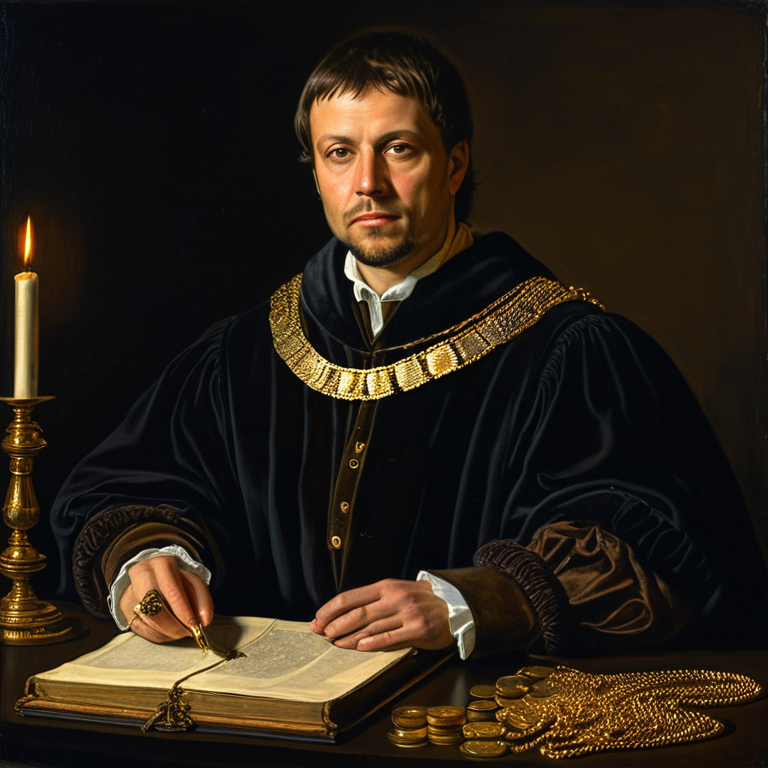
Watch Cosimo tonight, because he is the quietest spectacle at this table. Once a year, every branch of his bank — Rome, Venice, Geneva, Bruges, London, and more, the roster shifting by decade — closed its books and sent its balance riding home to Florence. Weeks on the road. Saddlebags of paper. Five currencies. And at the end of the road, one man at a table, reading. Not a committee. Not a hired examiner. Cosimo himself, moving down the columns of a continent at his own pace, in his own house, by his own candle. Above the ordinary books the partners kept the libri segreti — the secret ledgers — where the true capital and the true profits lived, away from clerks' gossip and princes' envy. When I took my own place on this bench, that is what the red half of it was doing: turning pages. He did not look up for a long while, and I did not hurry him. I have kept company with emperors who commanded less attention by shouting.
And here is the trick of his age, the thing that turned plain arithmetic into a kind of sorcery: almost nobody else could count. Europe was ruled by men who could break a town and could not balance a page — princes who did not know, even roughly, what they owned, owed, or spent. Into that darkness the Italian merchants carried a mirror: every coin written down twice, once where it came from and once where it went, so the books must balance, and a lie told in one place surfaces as a wrong number in another. A mirror no flattery can bend. The Medici did not invent that mirror — I will hang the honest label on the legend in a moment, when we open the spell proper — but they industrialized it, made it the skeleton of an empire, and in a world of innumerate power the house that could see itself clearly walked among the blind.
Feel the architecture too, because the bank's very shape was a spell. Each branch was a separate partnership — the Medici as senior partner, a local manager holding his own stake, his own name answering for his own door. A fire in Bruges burned only Bruges; the flames had no hallway to walk down to Florence. The firewall was not a hope, not a policy, not a stern letter from headquarters — it was written into the legal bones of the bank while the weather was calm, years before any storm could test it. Keep that phrase in your pocket, apprentice: written into the bones. Nearly every ruin this book visits belonged to someone whose firewall was an intention.
Now the right side of the bench, in Augsburg black and gold: Jakob Fugger, born 1459, grandson of a weaver, youngest son of a merchant house, sent as a young man to Venice — so the biographies tell it — where the Italian arts of the ledger lived. The counting magic flowed north through him, and he added to it the other half of the board: ears. His factors and branch managers across Europe wrote home without ceasing — prices, politics, credit gossip — couriers always on the road to Augsburg, news arriving while rivals still waited on rumor. Where Florence read its empire once a year, Augsburg listened to its empire every day. Even at my table the habit held: twice during dinner a letter was set silently at his elbow, and twice he read it, folded it, and went on with the conversation the way a man goes on richer. (One label, even here among the introductions: the famous bound volumes of Fugger news-reports — thousands of handwritten pages gathered in annual volumes — belong to the years after Jakob's death; the archive is his grand-nephews' work. He built the listening posts; the heirs bound the feed into books. The legend gives one man credit for three generations. This bench keeps the generations straight.)
By the time Jakob was done, an emperor owed him the crown on his head. Literally. We will get there — it is the third part of the spell, and it deserves its own stage.
But before any mechanics, notice what is missing from this bench, because the absence is the true introduction. Every other guest at my table watched prices. Loved them, feared them, argued with them, chased them through manias and panics and home again. These two never predicted a price in their lives — and between them they out-earned every prophet in this book. Their fortune was not made by guessing which way a market would move next. It was made by being the places where the market happened: the ledger the trade was written in, the road the news traveled, the rail the money rode from city to city. A merchant guessing the price of pepper can be wrong. The house that carries his news, clears his payment, and keeps his books is paid either way. That is edge by infrastructure — the oldest, deepest, least glamorous edge there is. The house does not beat the game. The house is the game — and these two families understood it so completely that, a century apart, without ever meeting, they built the same creature twice: once as a mirror, once as an ear.
At my table they did finally meet, and what I saw was better than conversation. Cosimo slid one of his secret pages down the bench. Jakob read it the way a swordsman studies another man's blade, nodded once, and slid back one of his couriers' letters in return. Each knew the other's instrument at a glance — the seeing house and the listening house — and neither said a word, because between the two of them everything worth saying was already written down somewhere. That is the whole character of this seat. Other masters left students. These two left systems, and a system, unlike a student, does not need its master alive to keep working.
Hold one shadow as we go, because this bench teaches by its ending too. One of these two houses died — suddenly, completely, in fire and expulsion — on the very schedule of its own neglect: it stopped doing the thing that had made it. I will tell you which one, and exactly how, and you will notice that the cause of death was not a bad market. Write nothing in your grimoire yet. Just remember, as you watch the demonstration, that everything you are about to admire is also a list of things that can be neglected.
Every other guest at this table hands me a spell — an entry, an exit, a way of reading the sky. These two hand me something stranger. Watch their hands closely, because there is no chart anywhere in this chapter, and that absence IS the lesson.

The Spell
Their spell has three parts, and the first one looks like homework.
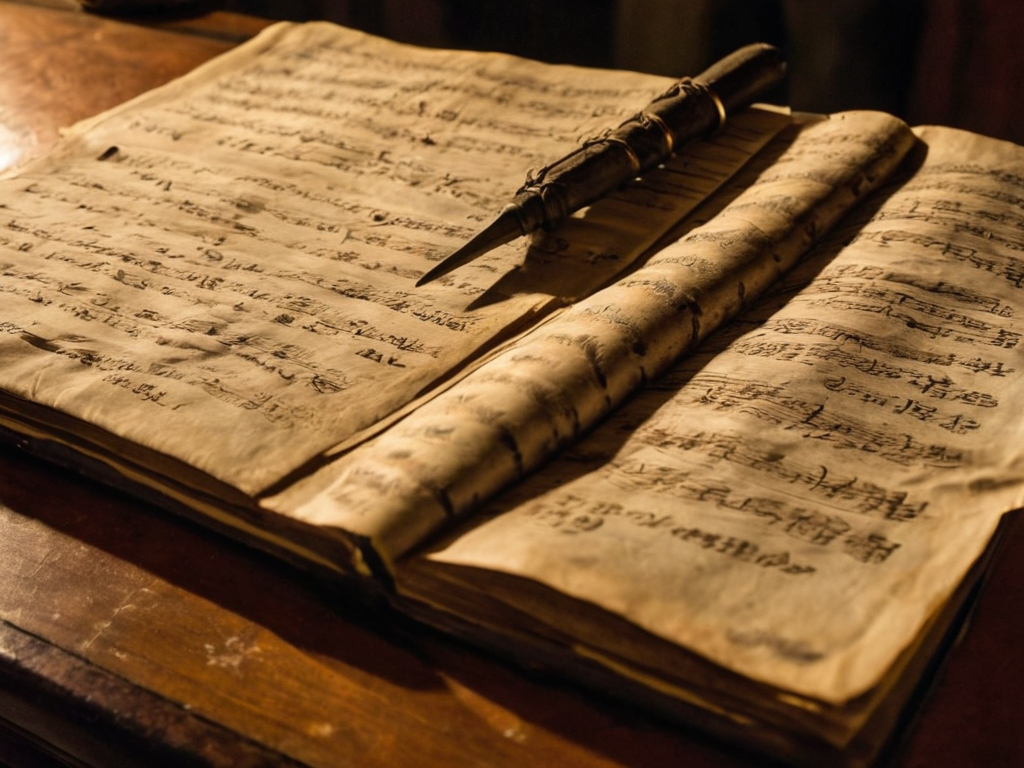
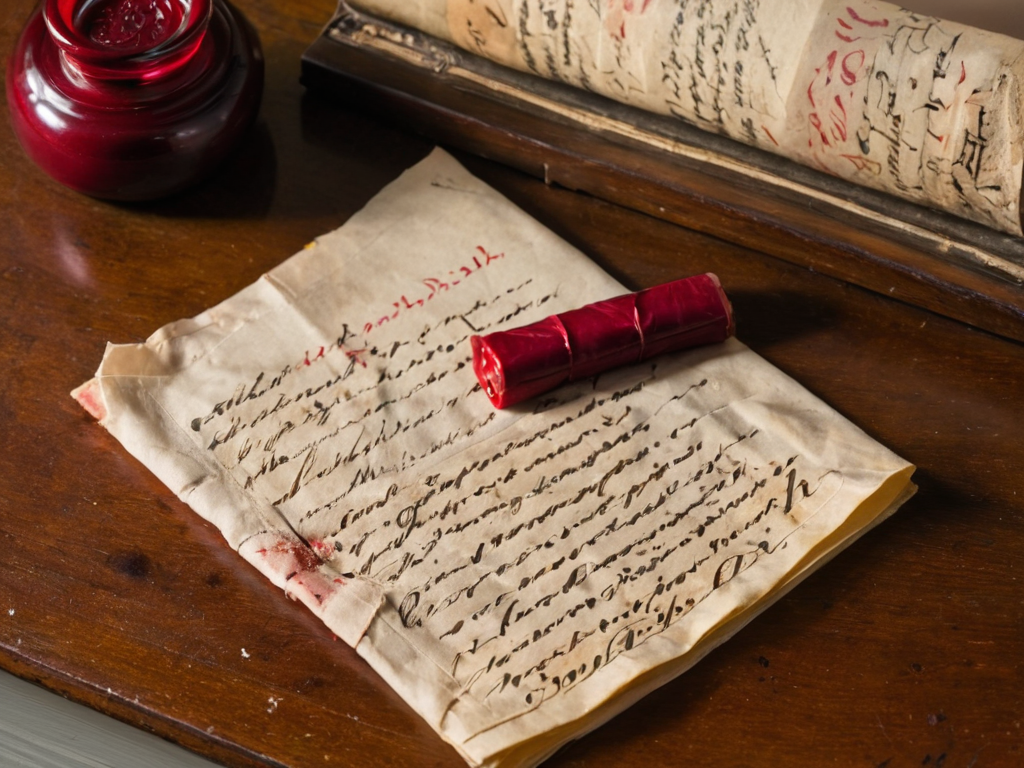
The first part is the ledger. Now, an honest label before the wonder, because the legend inflates here: the Medici did not invent double-entry bookkeeping. Italian merchants had been keeping books that way for generations, and the friar Pacioli only wrote it up in print in 1494 — the very year the Medici bank died, which is history's idea of a punchline. What the Medici did was take a clerk's trick and industrialize it into an instrument of power. Here is the magic of double-entry, taught as a first spell: every coin is written down twice, once where it came from and once where it went, so the books must balance — and a lie told in one place surfaces as a wrong number in another. It is a mirror that cannot be flattered. Above the ordinary books the partners kept the libri segreti — the secret ledgers — where the true capital and the true profits lived, and once a year every branch's balance rode home to Florence to be read. Cosimo read them himself. Across a continent, at horse speed, in five currencies, one man audited an empire — and in a world of innumerate princes, plain arithmetic was sorcery.
The second part is the network. Each Medici branch — Rome, Venice, Geneva, Bruges, London, and more, the roster shifting by decade — was a separate partnership, with the Medici as senior partner and a local manager holding his own stake. Feel what that structure does: if Bruges blew up, Bruges blew up. The fire could not walk down the hallway. The firewall was not a hope or a policy; it was built into the legal bones of the thing. The Fugger side of the bench ran the network's other job — listening. Factors and branch managers across Europe wrote constant intelligence back to Augsburg: prices, politics, credit gossip, couriers always on the road, news arriving before rivals had it. (Honest label again: the celebrated Fugger newsletters, thousands of handwritten reports bound in annual volumes, date from after Jakob's death — the famous archive belongs to his grand-nephews. The founder built the listening posts; the heirs formalized the feed. The legend compresses three generations into one man. This ledger does not.)
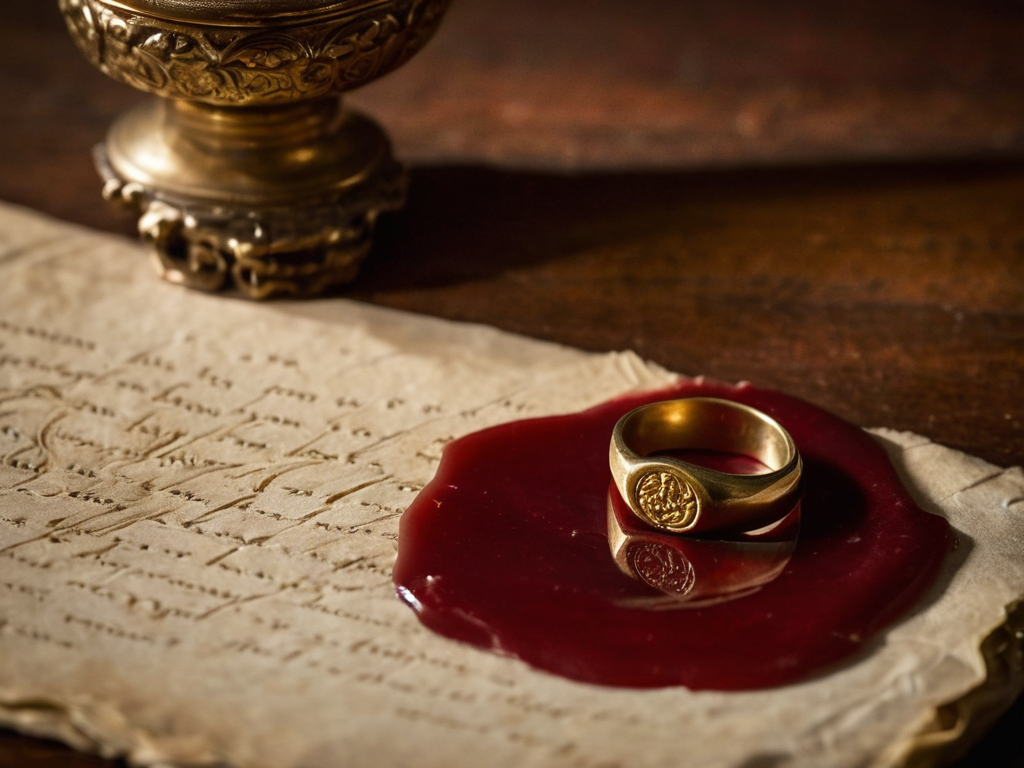
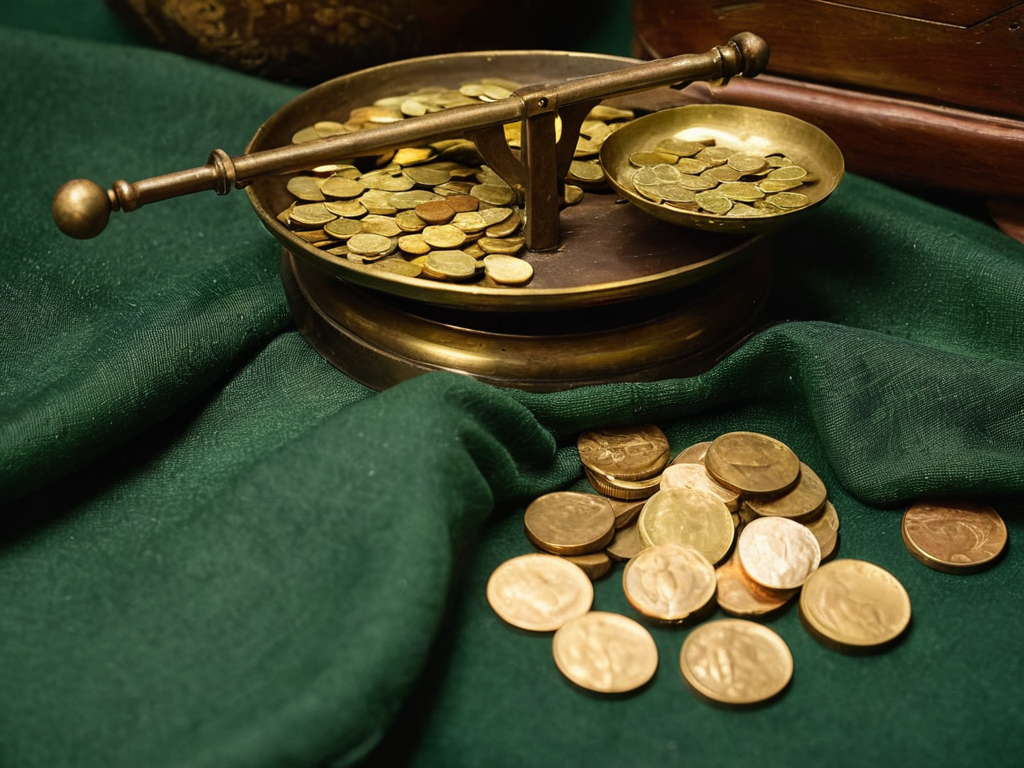
The third part is settlement — moving money without trusting anyone. The Medici tool was the bill of exchange: pay florins in Florence, collect pounds in London weeks later, the banker's interest hidden inside the exchange rate — because the Church banned charging interest, and all of Christendom agreed to squint. Money moved and no coin moved. And the Fugger tool was harder still: never hold the naked promise of a prince. When Emperor Maximilian died owing Jakob a mountain of guilders (the figure is reported, not audited), there was exactly one way to collect from a dead emperor — elect a new debtor. In 1519 the crown of the Holy Roman Empire went to auction in all but name: the King of France bid gold for the seven electors' votes, and the Habsburg side bid Fugger credit. Jakob put up roughly two-thirds of the winning sum — and mark the mechanism, because it is the whole man: the money sat with Fugger agents in the electoral cities and was released only on confirmation that each elector had actually voted. He did not trust princes with prepayment. He was right not to. And when the new emperor was slow to pay, Jakob wrote him a letter whose gist survives in every biography: without me, Your Majesty would not have the crown. Merchants did not write to emperors like that. Infrastructure does.
Now the fall, because this seat teaches by its ending too. The Medici bank did not die of a bad market. It died on a precise schedule: it died when the auditing stopped. Cosimo died in 1464; Lorenzo the Magnificent took over at twenty — a superb prince who found the books boring, and left them to a manager who would not discipline the branch managers. Unwatched, managers who shared in profits but not in losses reached for size, and they reached for the one rock every Florentine banker knew the way sailors know rocks: loans to sovereigns — the exact poison that had sunk the great Bardi and Peruzzi banks a century before. Bruges, London, Milan: liquidated at ruinous cost. In 1494 the French marched, the Medici were expelled, a mob sacked the palace, and the bank simply ended. The mirror had hung on the wall the whole time. No one had looked in it for twenty years.
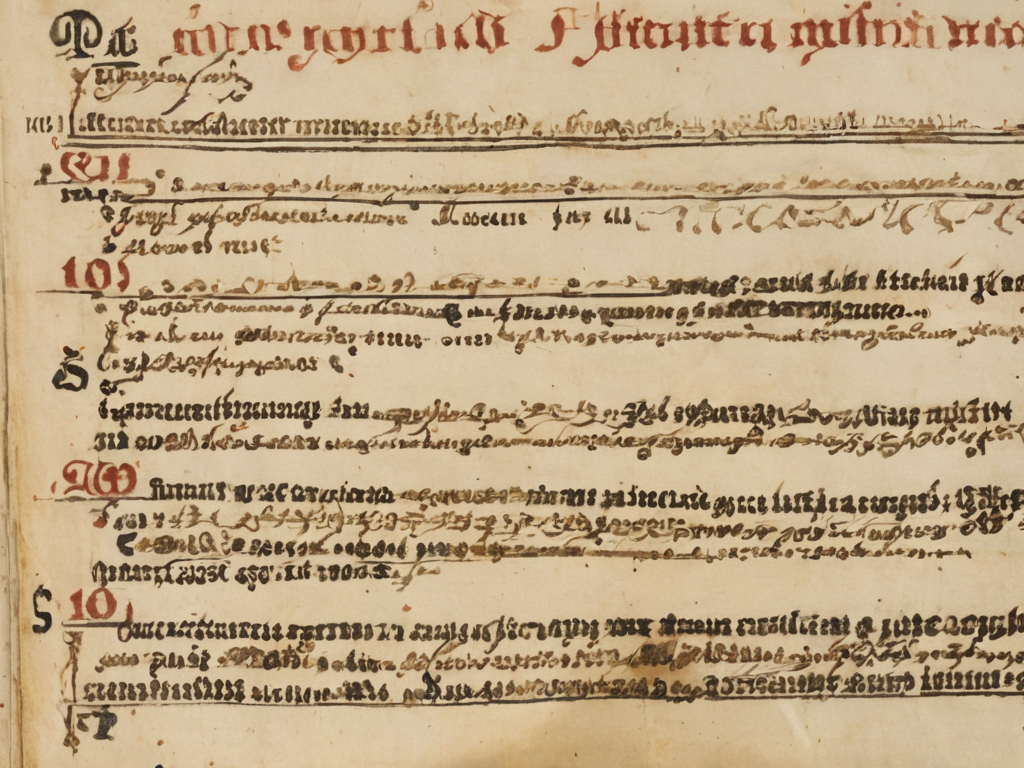
And here — lean in — is the beat I crossed six centuries to collect. The bank's records burned or scattered in 1494, and the Medici legend floated free for four and a half centuries, glorious and vague. Then, in 1950, the libri segreti themselves — the secret ledgers — surfaced in the Florentine archives, and a scholar named Raymond de Roover sat down and read them. Everything we actually know about the greatest bank of the Renaissance — the true profits, the true failures, the verdict on Lorenzo — we know because the ledger physically outlasted the legend by 456 years and then corrected it. That is the house law of this entire book, enacted by history itself: the ledger outlasts the legend. Always.
One more thing before the honest labels, because the Fugger ending answers the Medici ending. In 1521 Jakob endowed the Fuggerei, an almshouse quarter in Augsburg — rent of one guilder a year and three daily prayers. Five hundred years later it is still housing people on those terms. Every prediction Jakob ever made is dust. The infrastructure still collects rent.
The Honest Ledger
Labels on, as always at this table:
- This is a lore seat. The spell here is a business, not a signal.
- The Medici did not invent double-entry bookkeeping; they
- Jakob Fugger's fortune at death — put at about 2.1 million guilders,
- The famous Fugger newsletters postdate Jakob; they are his
- Nearly everything solid we know about the Medici bank comes through the
- And what transfers to you, honestly: none of the edge. You cannot own
There is no entry, no exit, nothing to backtest, and this book will not pretend otherwise. Testable: no — and saying so plainly is the point.
industrialized it. Pacioli's 1494 book codified an older merchant art.
roughly two percent of Europe's output, the arithmetic behind his "richest man who ever lived" title — is a modern historian's estimate resting on heroic conversions. No auditor ever closed those books.
grand-nephews' archive. His Venice training is biographical tradition, not a document. The dead emperor's debt is a reported figure.
ledgers recovered in 1950 — which is not a weakness of this chapter. It is its thesis.
the rails; if you are not the infrastructure, you are its customer. What transfers is the discipline: keep books truer than anyone who trades against you; audit on a rhythm, especially while winning — the Medici died of skipping exactly that; build your firewalls into the structure of your risk, not into your intentions; and know your era's costume for the known rock — chasing size against a promise that cannot be collected.
For Your Grimoire
The ledger outlasts the legend — so keep yours honest enough to correct your own story when you are no longer around to defend it.